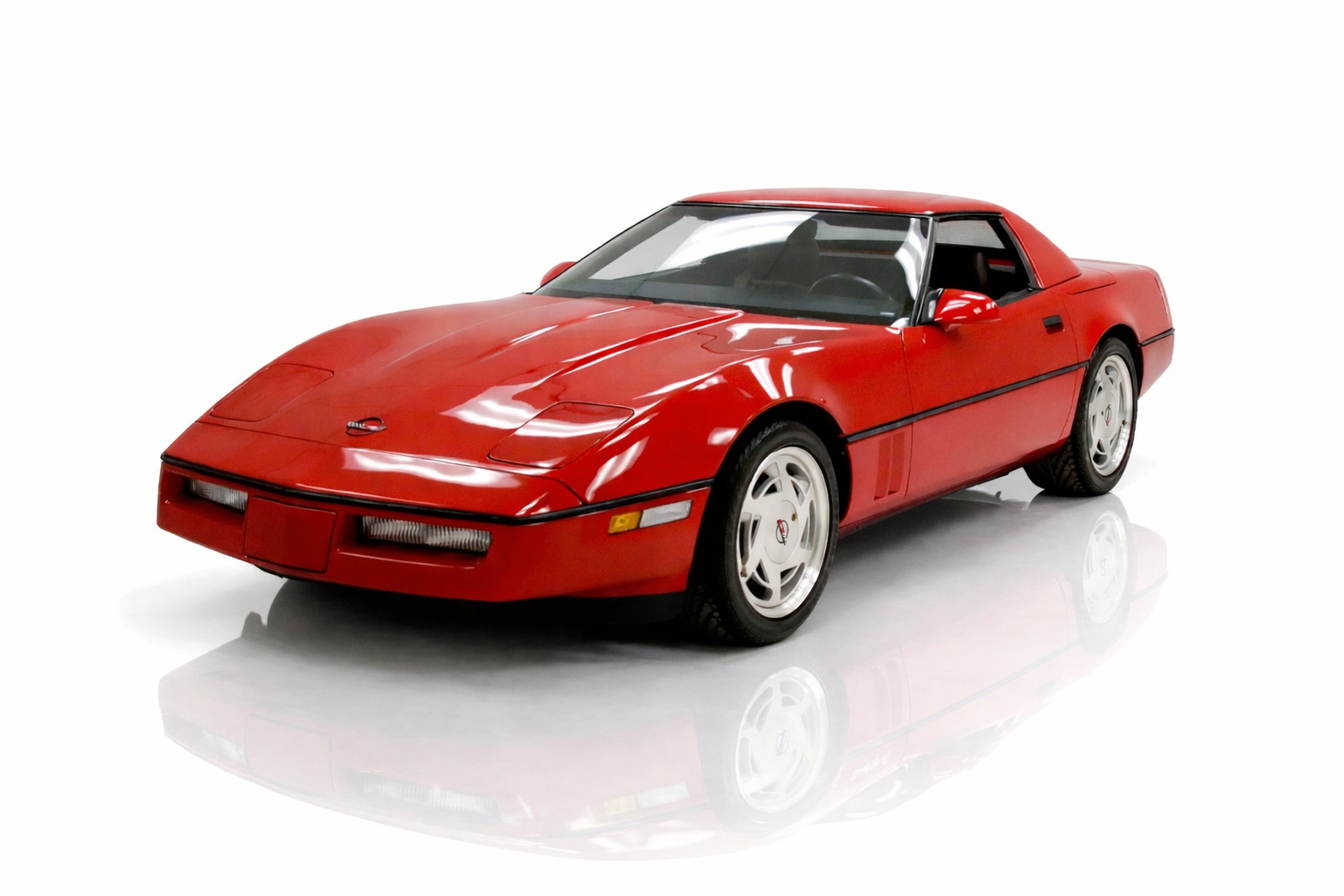
By 1989, the fourth-generation Corvette (C4) had firmly matured from the promising but flawed debut of 1984 into a legitimate world-class sports car. What began as a futuristic yet imperfect package had, over six model years, been refined into a machine that combined state-of-the-art technology with increasingly serious performance. While the 1989 model year would not introduce wholesale styling changes, it represented one of the most pivotal years in Corvette history—a year of transition where yesterday’s Corvette met tomorrow’s supercar.
The 1989 Corvette model year marked the end of one chapter and the beginning of another. It introduced major technological upgrades that made the Corvette more livable and competitive while also previewing the arrival of the legendary ZR-1 “King of the Hill.” Though Chevrolet would ultimately hold back full production of that car until 1990, the ’89 model year gave enthusiasts their first real taste of Corvette’s future.
The ZR-1 Rumors Become Reality
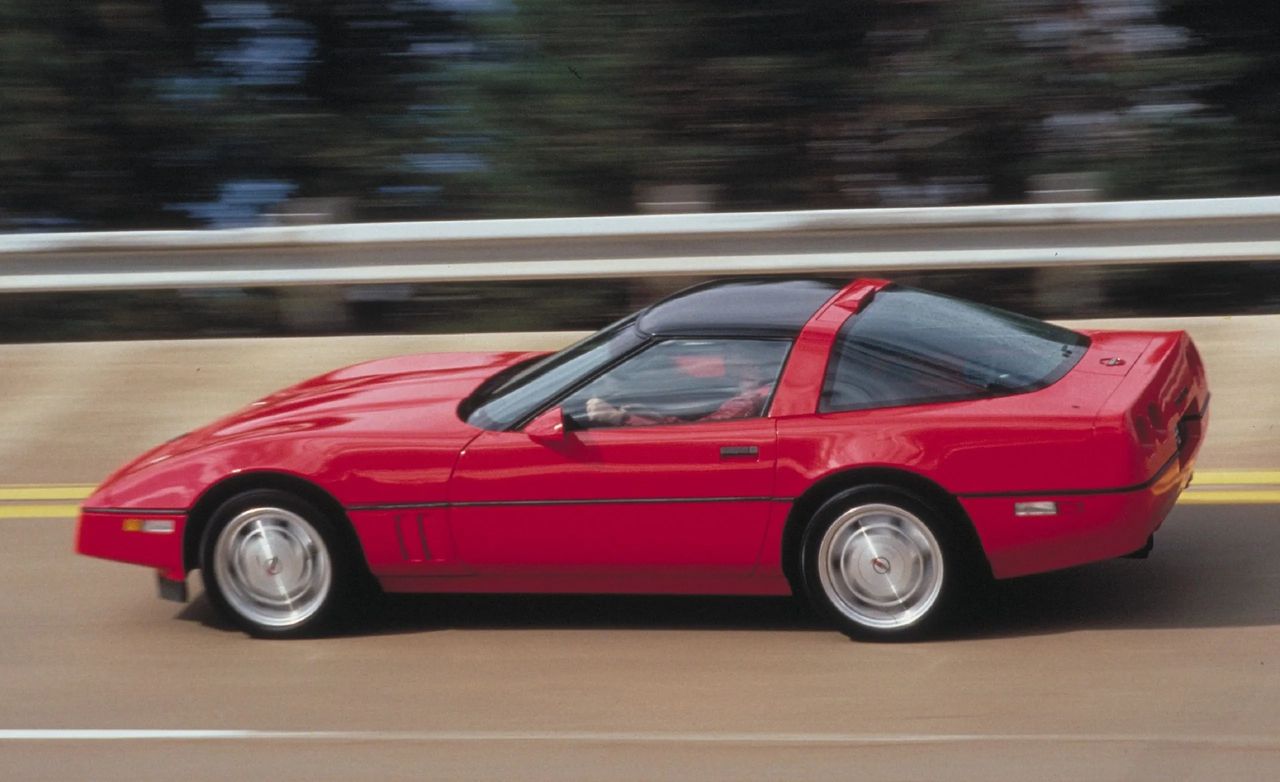
The buzz around a secret Corvette supercar had been building since 1987. Spy photos circulated in enthusiast magazines, whispered details leaked from GM insiders, and journalists speculated about a car being developed under the code name “King of the Hill.” By 1988, the anticipation was feverish.
Chevrolet confirmed the rumors in March 1989 when it unveiled the ZR-1 at the Geneva Auto Show. The debut stunned the world: here was a Corvette boasting a 375-horsepower LT5 V8, developed by GM in partnership with Lotus Engineering and assembled by Mercury Marine. Designed under the guidance of Lotus technical director Tony Rudd, the LT5 was an engineering marvel—a 5.7-liter, all-aluminum, dual overhead cam, 32-valve small-block that bore almost no relation to the traditional Chevy pushrod V8.
To showcase the car’s capability, GM invited the world’s press to Carcassonne, France, and to Goodyear’s Mireval test track. Writers flogged pre-production ZR-1s on high-speed runs and wet-pavement handling courses. “It’s a supercar with manners,” wrote Car and Driver, while European magazines like Auto Motor und Sport praised its refinement compared to Ferrari and Porsche rivals. Covers of automotive magazines worldwide were dominated by the Corvette ZR-1.
And yet, the dream was just out of reach. On April 19, 1989, Chevrolet announced that ZR-1 production would be delayed until 1990 due to “insufficient availability of engines caused by additional development.” For enthusiasts, it was a bitter disappointment. GM had built 84 ZR-1s in 1989—for evaluation, press, and promotional use—but none were offered for sale. These rare pre-production models are now some of the most collectible C4 Corvettes in existence.
Transmission Revolution: The ZF Six-Speed
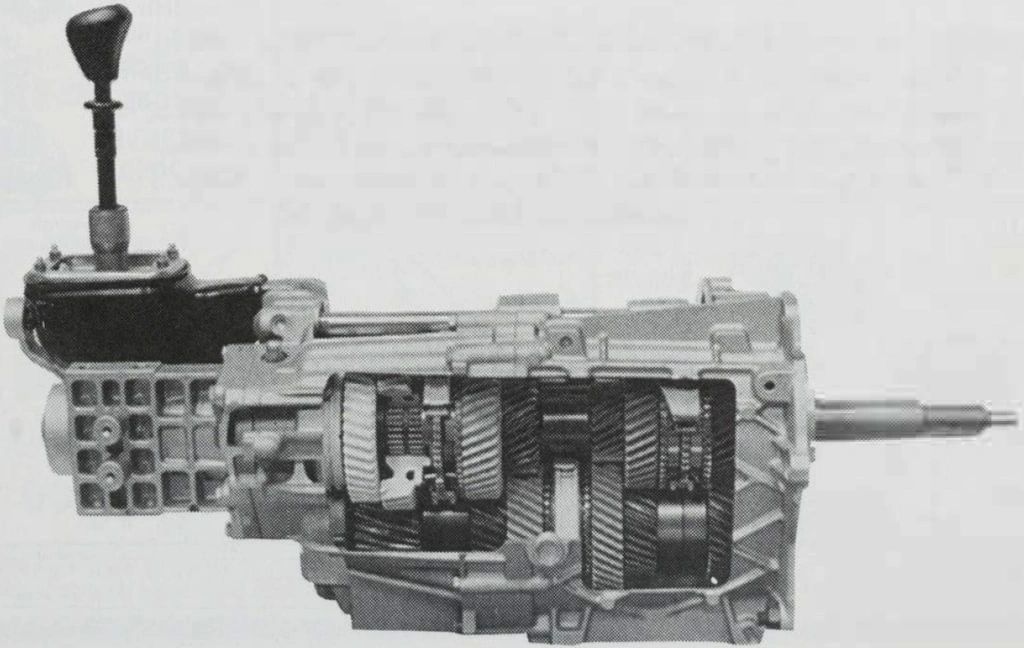
For regular production Corvettes, 1989’s biggest mechanical change was the introduction of an all-new six-speed manual transmission, built by German supplier ZF Friedrichshafen. This gearbox replaced the much-maligned Doug Nash “4+3” manual with overdrive, which had frustrated owners since 1984 with its awkward shifting and fragile reliability.
The ZF six-speed transformed the Corvette driving experience. Ratios were better spaced, the shifter was smoother, and the unit could handle far more torque than the outgoing transmission. Corvette Chief Engineer Dave McLellan later recalled that the gearbox was chosen specifically to handle the forthcoming LT5 engine in the ZR-1.
But the ZF box came with controversy. To avoid the dreaded EPA “gas guzzler” tax, GM introduced Computer Aided Gear Selection (CAGS). At light throttle (below 35%) and between 12–19 mph, the system forced drivers to skip from 1st gear directly to 4th. While effective in improving EPA ratings (16 mpg city, 25 mpg highway), enthusiasts found it infuriating. Many magazines noted that clipping a single wire easily disabled the feature—something Corvette engineers privately admitted was intentional.
Despite the annoyance, the six-speed was a leap forward and set the tone for Corvette manuals through the C5 and C6 generations.
Standardizing Performance: Z52 for Everyone
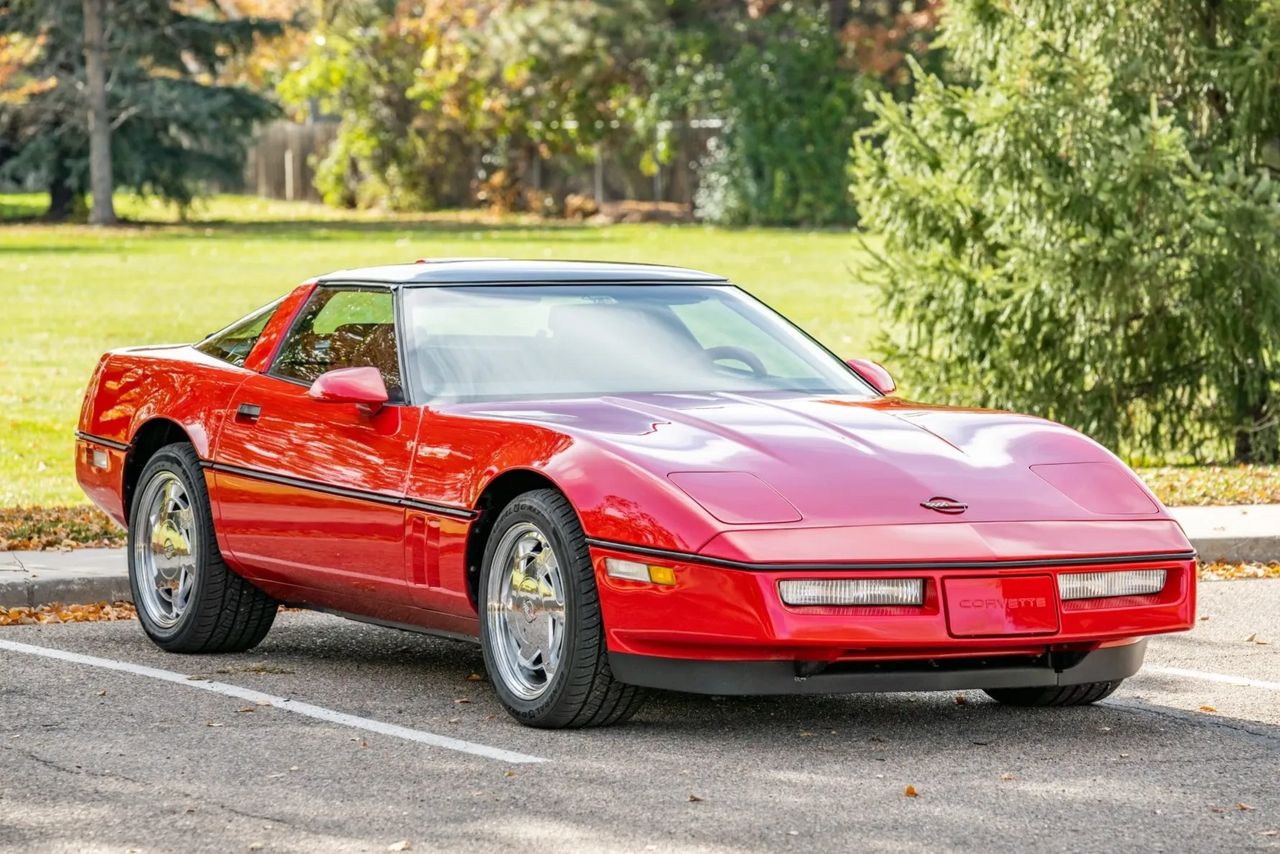
Also in 1989, Chevrolet offered consumers the Z52 Sport Handling Package as a mid-level performance option for the C4 Corvette—slotting between the base suspension and the more aggressive Z51 Performance Handling Package.
The 1989 Z52 package included:
- Heavy-Duty Radiator – improved cooling capacity to support spirited driving and warmer climates.
- Engine Oil Cooler – kept the L98’s oil temperature in check during extended performance use.
- Bilstein Gas-Pressurized Shock Absorbers – firmer damping than stock, improving ride control and cornering response.
- Finned Power-Steering Cooler – reduced heat buildup in the steering system during aggressive driving.
- Specific Springs and Bushings – stiffer rates than base but more compliant than Z51, striking a balance between comfort and handling.
- Performance Axle Ratio – typically 3.07:1, providing livelier acceleration compared to the standard 2.59 or 2.73 gears.
- Heavy-Duty Brakes – upgraded pads and calipers to better manage repeated stops under spirited driving.
Positioning
The Z52 package was essentially a “best of both worlds” option: it gave owners a sharper-handling Corvette without the very stiff ride of the Z51 cars, making it popular with buyers who wanted improved performance but still planned to daily-drive their cars.
For manual transmission cars, GM also included a heavy-duty oil cooler, radiator, and auxiliary cooling fan. This effectively meant that every Corvette left the factory with a balanced handling setup that made the car sharper and more capable without sacrificing daily comfort.
The FX3 Selective Ride Control System
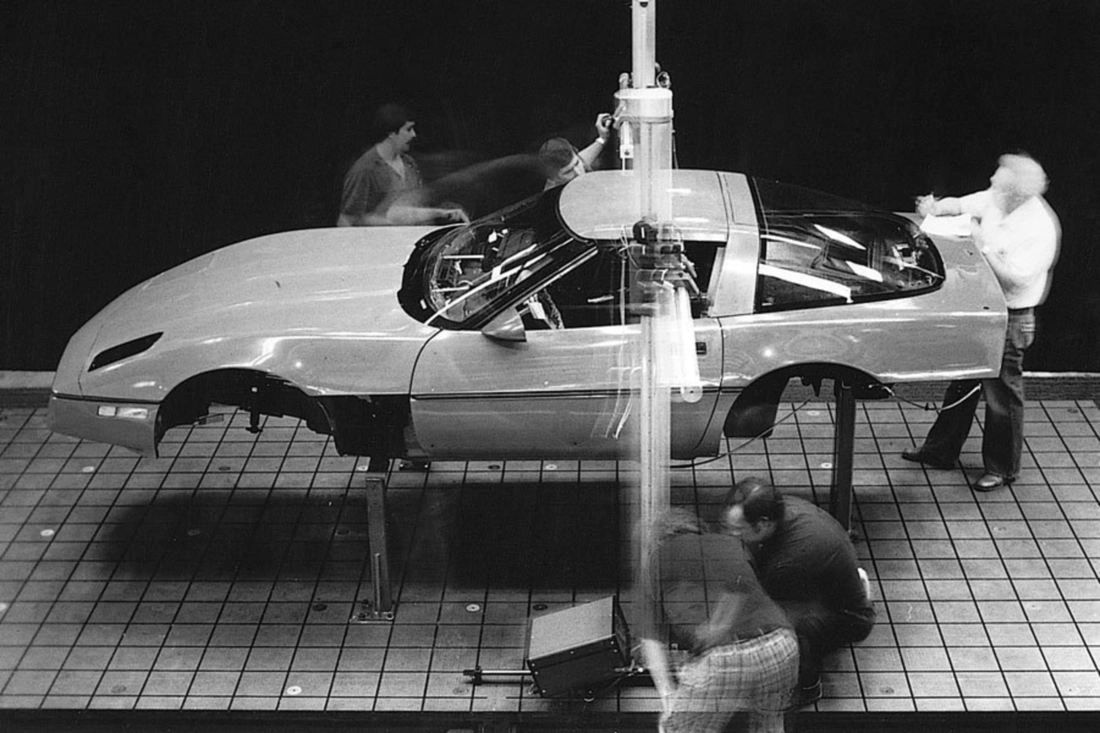
If Z52 was now standard, Corvette engineers wanted to go further. Enter RPO FX3, an innovative electronic Selective Ride Control system developed jointly by GM’s Delco division and Bilstein. Available only on cars equipped with the Z51 package, FX3 allowed drivers to adjust suspension stiffness via a console-mounted switch.
Three modes were offered: Touring, Sport, and Competition. The system used microprocessors to monitor conditions and adjust damping 10 times per second. Electric motors atop each shock turned rotary valves that changed fluid flow within the shocks, altering ride stiffness.
Reviewers were impressed. Road & Track noted that in Touring mode the Corvette absorbed potholes with surprising civility, while in Competition it “felt as taut as a race-prepared car.” The ability to transform from boulevard cruiser to track weapon at the touch of a button was cutting-edge in 1989, rivaling similar systems in far more expensive European exotics.
Interior Refinements
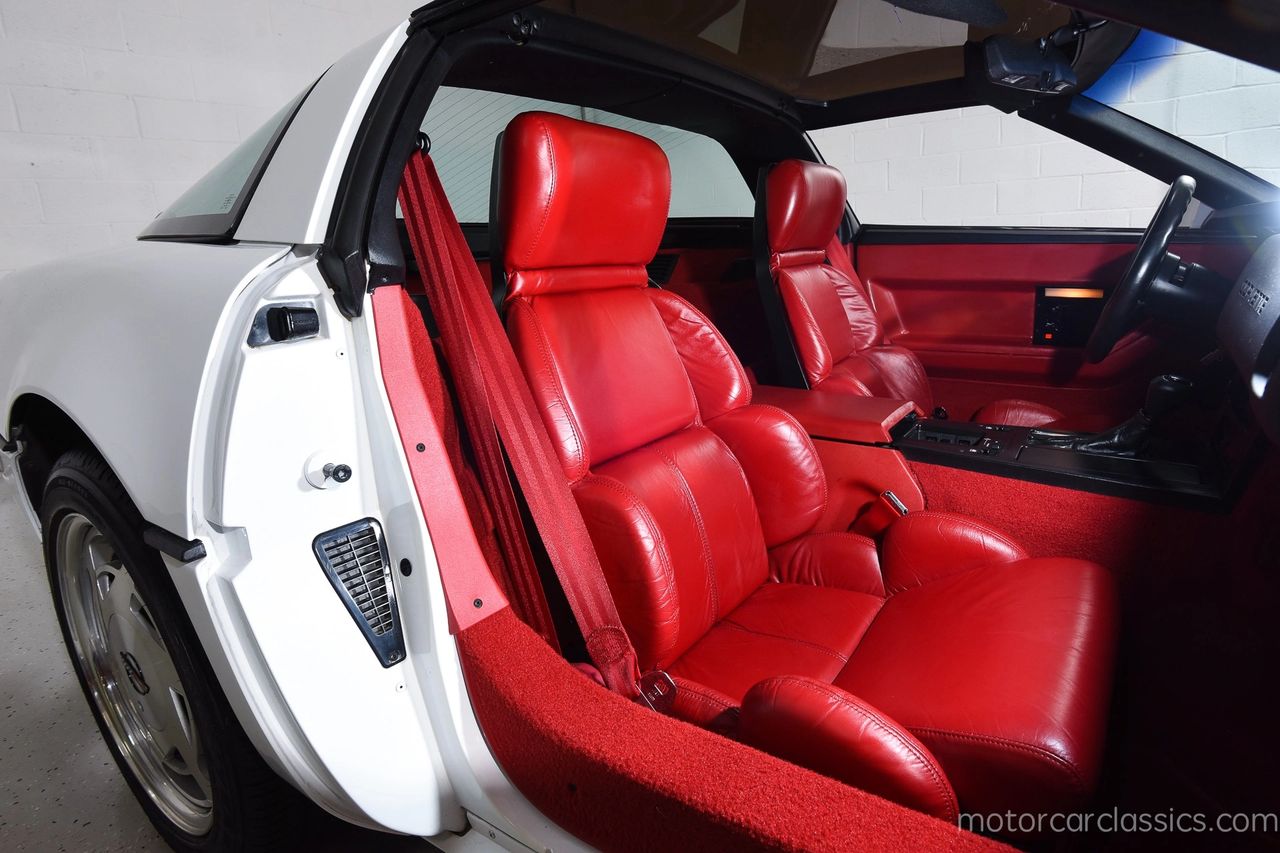
By 1989, the once-futuristic interior of the C4 was showing its age. The square digital dashboard—so revolutionary in 1984—was beginning to look dated. GM would address this with a major redesign in 1990, but for ’89, refinements focused on comfort.
- Newly redesigned seats improved support and comfort for long drives. Buyers could choose cloth, standard leather, or upgraded sport leather (the latter available only with Z51).
- Optional removable hardtop for convertibles was introduced. Constructed of fiberglass-reinforced polyester around a steel/aluminum cage, it included a heated rear glass window and better weather sealing. Priced at $1,995, it offered quieter cruising than the fabric top and added security.
- Convertible mechanisms were also simplified, making the top easier to operate.
Exterior Colors and Popular Choices
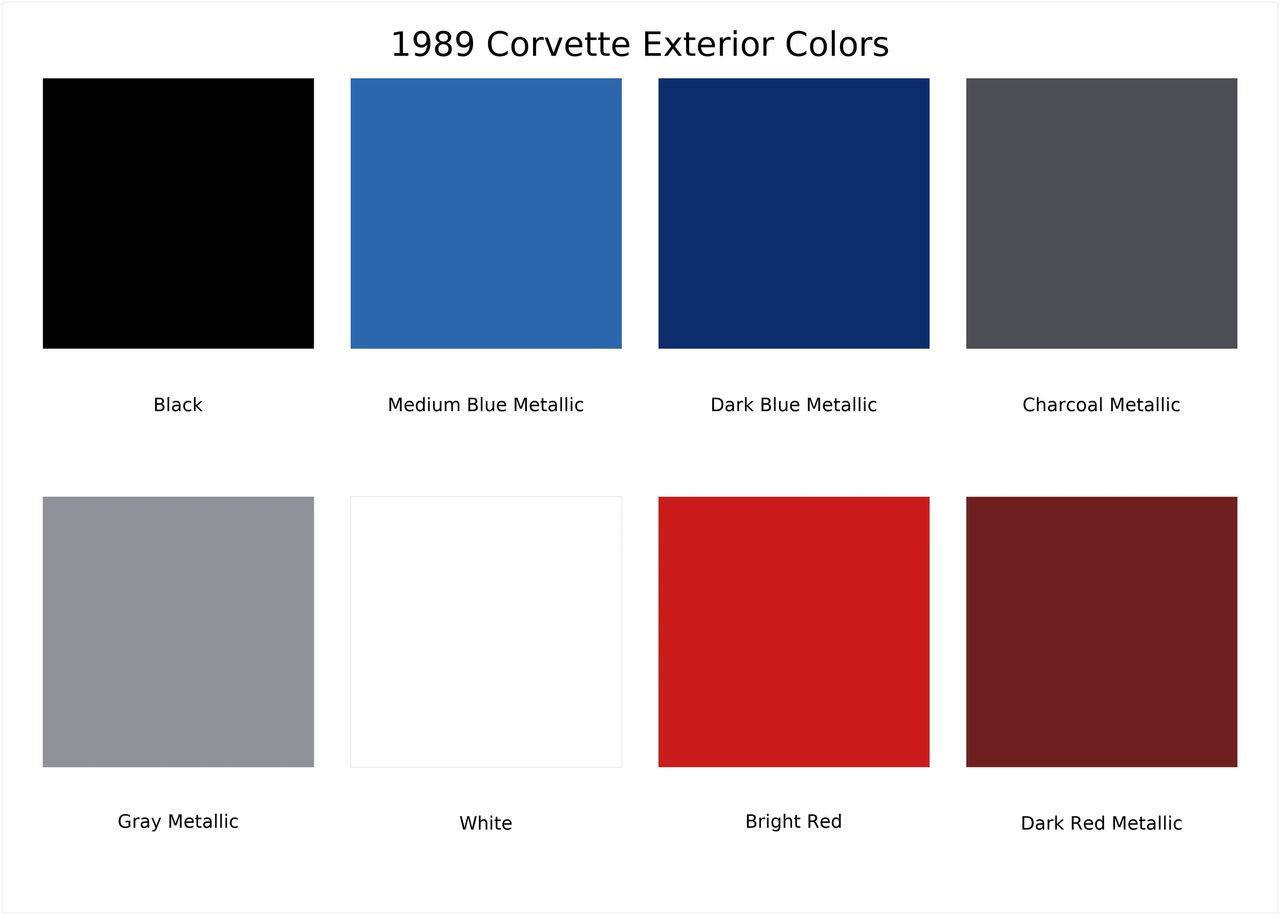
Eight colors were offered for 1989: White, Medium Blue Metallic, Dark Blue Metallic, Black, Dark Red Metallic, Bright Red, Gray Metallic, and Charcoal Metallic.
As had been the trend throughout the 1980s, Bright Red was by far the most popular choice (29% of production). White (20.5%) and Black (18.3%) followed, with the blues and grays making up the balance. The Corvette had firmly embraced bold primary colors that reflected its performance image.
Racing: The Final Corvette Challenge
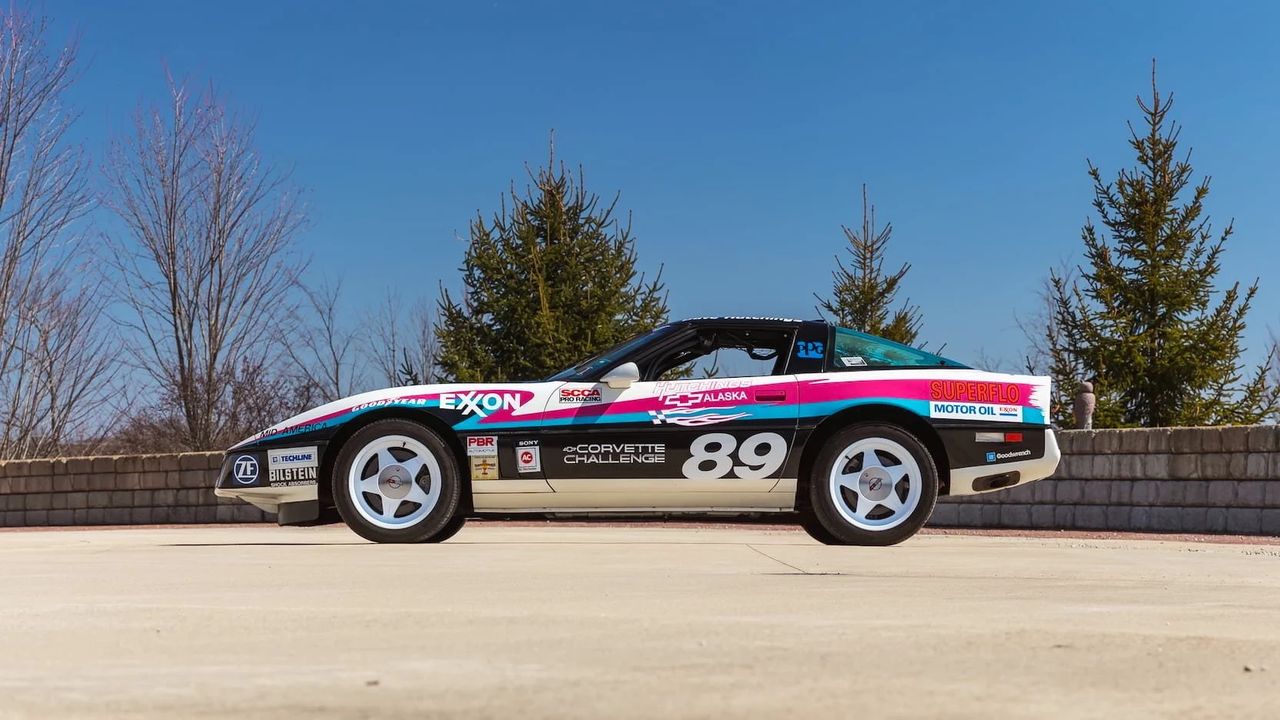
The 1989 Corvette model year also marked the last season of the SCCA Corvette Challenge. Chevrolet built 60 cars for the one-make series, which pitted showroom-stock Corvettes against one another in professional road racing. Thirty of these cars were fitted with higher-output engines from the Flint, Michigan plant, though at season’s end each car received its original numbers-matching engine back.
The series gave young drivers like Bill Cooper and Stu Hayner a platform to showcase their skills, and it cemented the Corvette’s racing credibility in an era when GM officially avoided factory-backed racing programs due to the AMA ban’s lingering shadow. For enthusiasts, the Challenge cars remain collectible reminders of Corvette’s grassroots racing heritage.
Callaway Twin Turbo: A Rare Option
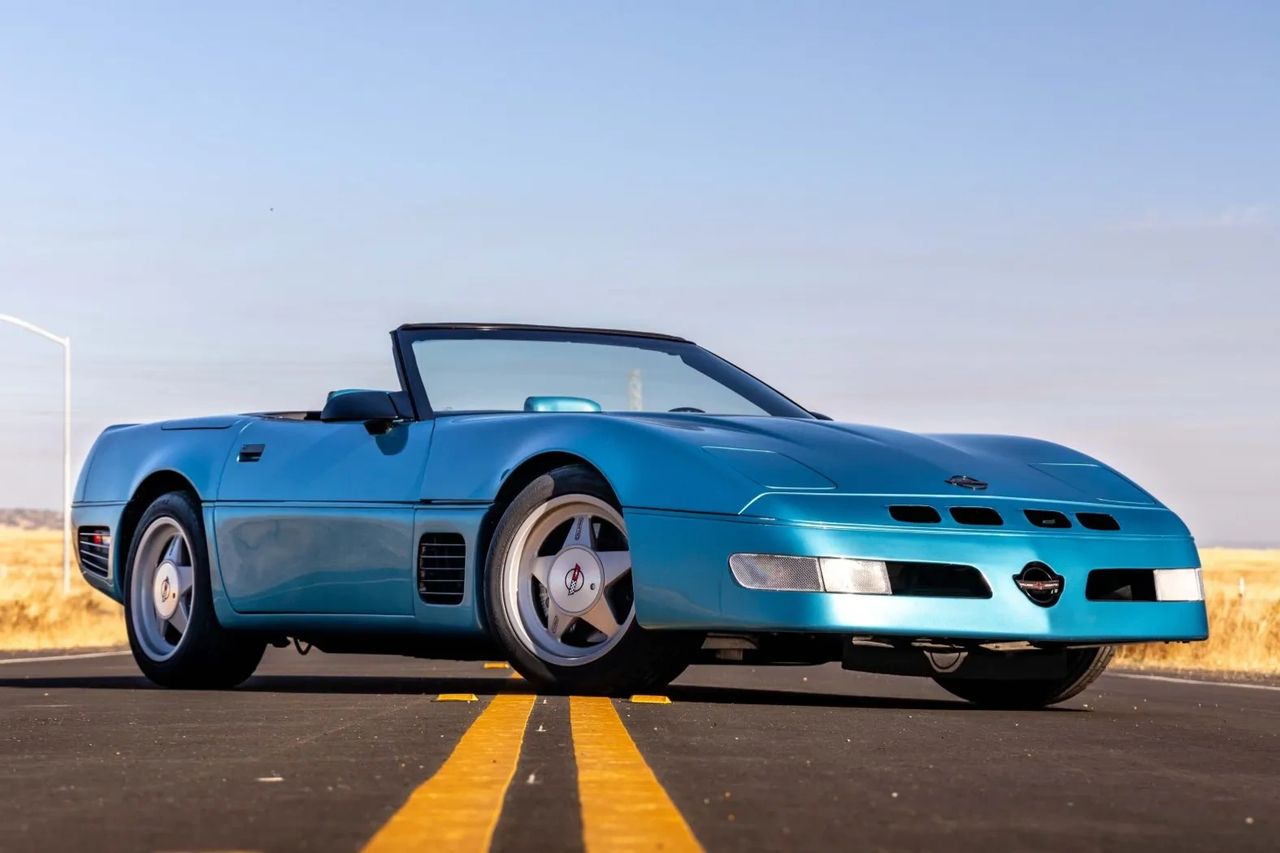
One of the most exotic Corvette options of the late ’80s was the Callaway Twin Turbo package (RPO B2K). Officially sanctioned by Chevrolet but built by Callaway Cars in Old Lyme, Connecticut, it transformed the standard L98 into a twin-turbocharged monster with output well beyond the factory rating.
By 1989, however, the option was extremely rare. Priced at a staggering $25,895 on top of the Corvette’s base price, only 67 cars were built. While its raw speed impressed, the arrival of the factory-built ZR-1 signaled the end of Callaway as a GM-optioned Corvette. Today, however, B2K Corvettes are prized collectibles and symbols of the turbocharged ’80s.
Engine and Performance
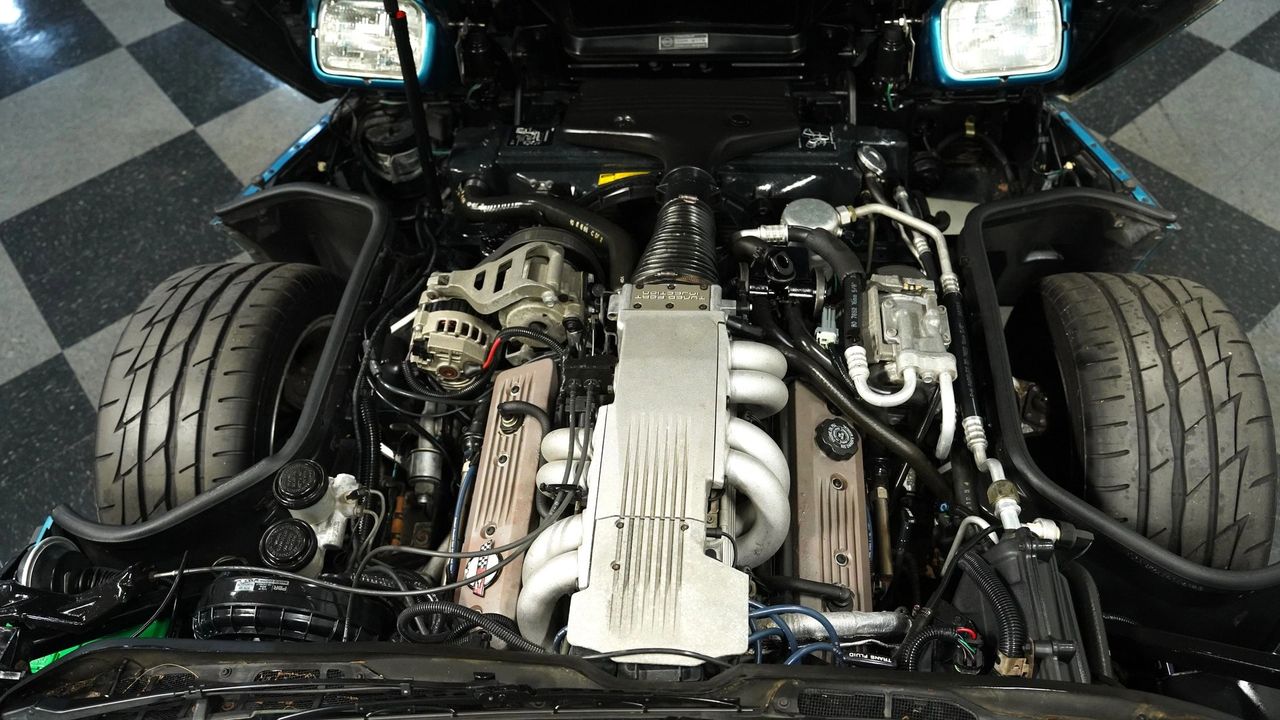
For standard Corvettes, performance numbers carried over from 1988. The L98 350-cubic-inch small-block V8 produced 245 horsepower in coupes and 240 horsepower in convertibles.
Notably, the engine received new Multecfuel injectors, a design originally developed for the LT5. Though they didn’t change output, they foreshadowed the technological leap of the 1990 Corvette model year.
Performance remained respectable:
- 0–60 mph in the low 6-second range.
- Quarter mile in about 14.4 seconds.
- Top speed around 150 mph.
While not exotic by modern standards, these figures put the Corvette in direct contention with contemporary Porsche 944 Turbos, Nissan 300ZX Turbos, and even Ferrari’s 328 GTS.
Production, Sales, and Pricing
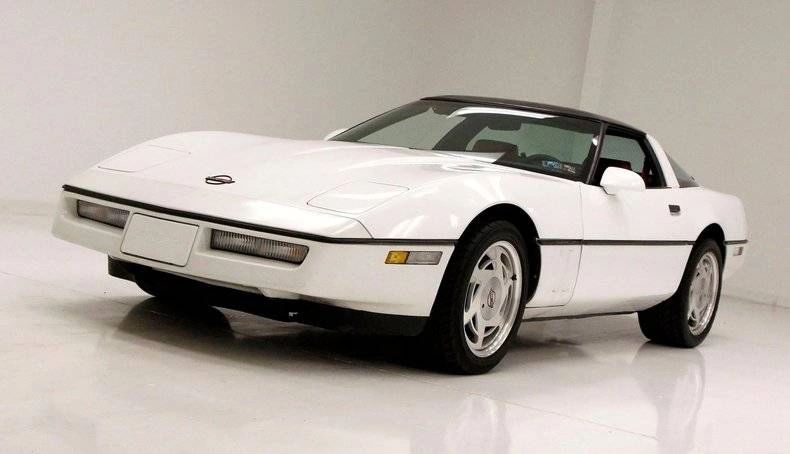
The 1989 model year saw an uptick in Corvette sales, reversing several years of decline. Chevrolet sold 26,412 cars, including nearly 10,000 convertibles. This increase came despite anticipation of the ZR-1’s launch in 1990, suggesting that buyers saw value in the new transmission, standard Z52 package, and suspension improvements.
- Base Coupe: $31,545.
- Base Convertible: $36,785.
- Popular options included sport seats ($1,025), Delco-Bose audio ($773), Selective Ride Control ($1,695), and the removable hardtop ($1,995).
Legacy of the 1989 Corvette
Looking back, the 1989 Corvette reads like a hinge in the C4 story—a year that didn’t chase headlines with fiberglass or steel but quietly rewired the future. The ZF S6-40 six-speed changed how the car felt from the driver’s seat: closer ratios for the work, deep overdrive for the highway. It let Chevrolet pair shorter final drives for punch (and Z51 aggression) with relaxed cruise rpm, teaching the Corvette to be both weekend weapon and long-legged GT without compromise. Owners noticed immediately; the transmission would become a long-running cornerstone of Corvette drivetrains.
Just as important, FX3 Selective Ride Control arrived to preview a new era of electronically managed chassis. Three console-selectable modes and computer-controlled valving didn’t make the C4 a magic carpet, but they proved the concept: a Corvette could tune itself to the road and the moment. Trace a straight line from FX3 to the C5’s F45 and on to the magnetic-ride Corvettes of today, and you see 1989’s fingerprints all over it. Add in the year’s quicker steering, the now-standard 17-inch unidirectional tires, and the emerging tire-pressure warning tech, and the picture sharpens—’89 is where the C4 traded some analog swagger for digital bandwidth.
Then came the curtain-raiser. The ZR-1 was unveiled in 1989 for the 1990 model year, and it reset the conversation around what a Corvette could be. The LT5’s Lotus-designed, Mercury Marine-built 32-valve DOHC heart and its exotic intake hardware announced Corvette on the global stage—not as a value alternative, but as a peer to the era’s supercars. Even if you never bought a ZR-1, the message floated all boats: the platform’s aerodynamics, stability, and cooling were ready for serious horsepower, and the world took note.
That’s the legacy in a sentence: 1989 fused maturity with ambition. It didn’t change the silhouette; it changed the trajectory. The model year gave owners a car that was easier to live with and harder to outgrow, while previewing the tech and credibility that would drive the Corvette’s 1990s renaissance. For enthusiasts today, an ’89 feels like a handshake across generations—familiar forms, historic firsts, and a clear pointer toward the high-tech future that followed.
1989 Corvette — Key Specifications
Quick Stats
- Engine: 5.7L (350 cu in) L98 Tuned Port Injection V8
- Output (SAE net): 245 hp @ 4,300 rpm • 340 lb-ft @ 3,200 rpm
- Transmissions: 4-speed automatic (TH700-R4) • ZF S6-40 6-speed manual (no-cost option)
- ABS: Bosch ABS II (4-wheel, 3-channel) standard
- Steering ratio: 13.0:1 (quicker for ’89)
Performance (period figures)
- 0–60 mph: ~5.7–6.6 s (magazine tests vary by trans/axle)
- ¼-mile: ~14.5–14.8 s @ ~96–98 mph
- Top speed: ~150 mph Examples include contemporary instrumented tests of the 6-speed cars and GM’s own performance claims.
Chassis, Suspension & Brakes
- Structure: “Uniframe” with bolt-on cradles; composite body panels
- Front/Rear: Forged-aluminum control arms; independent rear five-link; transverse composite monoleaf springs
- Shocks: Delco-Bilstein gas-charged (std.; part of Z-packages as well)
- Brakes: Power 4-wheel discs (vented) with Bosch ABS II
- New option: FX3 Selective Ride Control electronic adjustable damping (coupe, requires Z51 + 6-speed)
Wheels & Tires (bigger for 1989)
- Standard (all models): 17 × 9.5-in alloy wheels with P275/40ZR-17 Goodyear Eagle unidirectional tires (largest factory tire/wheel yet offered on Corvette to that point).
Dimensions & Capacities
- Wheelbase: 96.2 in
- L/W/H: 178.5 / 71.0 / 46.7 in (coupe); 46.4 in (conv.)
- Track (F/R): 59.6 / 60.4 in
- Turning circle: 40.4 ft
- Fuel capacity: 20.0 gal
- Curb weight (approx.): 3,257 lb (coupe, 6-spd) • 3,269 lb (conv., 6-spd) • 3,223 lb (coupe, auto) • 3,263 lb (conv., auto)
Powertrain Details
- Compression ratio: 9.5:1
- Valvetrain: OHV, 2 valves/cyl, roller lifters
- Management: Tuned Port Injection; electronic spark control
- Common axle ratios: 2.59/2.73 (auto, application-dependent) • 3.07 (6-speed)
- New for ’89: ZF S6-40 6-speed replaces 4+3; low-tire-pressure warning system added.
Paint & Trim (with GM codes)
Exterior colors (factory brochure names; GM codes as used on build/RPO labels):
- White (40)
- Black (41)
- Medium Blue Metallic (20)
- Dark Blue Metallic (28)
- Gray Metallic (90)
- Charcoal Metallic (96)
- Bright Red (81)
- Dark Red Metallic (74)
The brochure lists these finishes for 1989; GM paint-code cross-references (Corvette Action Center / Corvette Central Tech) align those names to the two-digit codes shown above for ’89 production.
Notable ’89 Features/Packages
- Z51 Performance Handling (coupe, 6-speed only): HD springs/bars, HD brakes & cooling, 3.54:1 axle, power-steering cooler.
- FX3 Selective Ride Control (coupe, requires Z51 + 6-speed): console switch (Tour/Sport/Perf), computer-controlled shock valving with speed-based damping maps.
- VATS (PASS-Key) anti-theft, electronic climate control, Delco-Bose audio available.
Why the 1989 Corvette Still Matters
The 1989 Corvette matters because it represents the precise moment when Chevrolet stopped asking for permission and simply built a world-class performance car. This was the year the “King of the Hill” vision became real—when the Chevrolet Corvette ZR-1, powered by the Lotus-designed, Mercury Marine–assembled LT5, officially announced that America could engineer a 32-valve, dual-overhead-cam supercar and back it up with numbers. The hand-built 5.7L LT5 didn’t just raise horsepower; it elevated credibility. Backed by the German-sourced ZF six-speed and wrapped in those subtly widened rear haunches and squared taillights, the ZR-1 proved that performance didn’t need flamboyance—it needed execution.
But 1989 also matters because it showcased Corvette’s dual personality. On one side stood the refined and proven L98 cars. On the other hand, the ZR-1 redefined the ceiling. And running parallel to both was the audacious Callaway Twin Turbo Corvette program—another example of how the C4 era fostered serious experimentation. Multiple high-performance paths. One platform. That kind of engineering confidence reshaped how the world viewed Corvette.
Today, the 1989 model year stands as a turning point in the broader Chevrolet Corvette C4 story. It laid the philosophical groundwork for every elite Corvette that followed—Z06, ZR1, and ultimately the mid-engine revolution decades later. The idea that Corvette could go toe-to-toe with Europe’s best? That wasn’t marketing spin. It was validated in 1989.
More than three decades later, the 1989 Corvette still resonates because it was bold without apology. It blended advanced engineering, global collaboration, and American swagger into a package that forced the world to recalibrate its expectations. And once expectations change, they never go back.
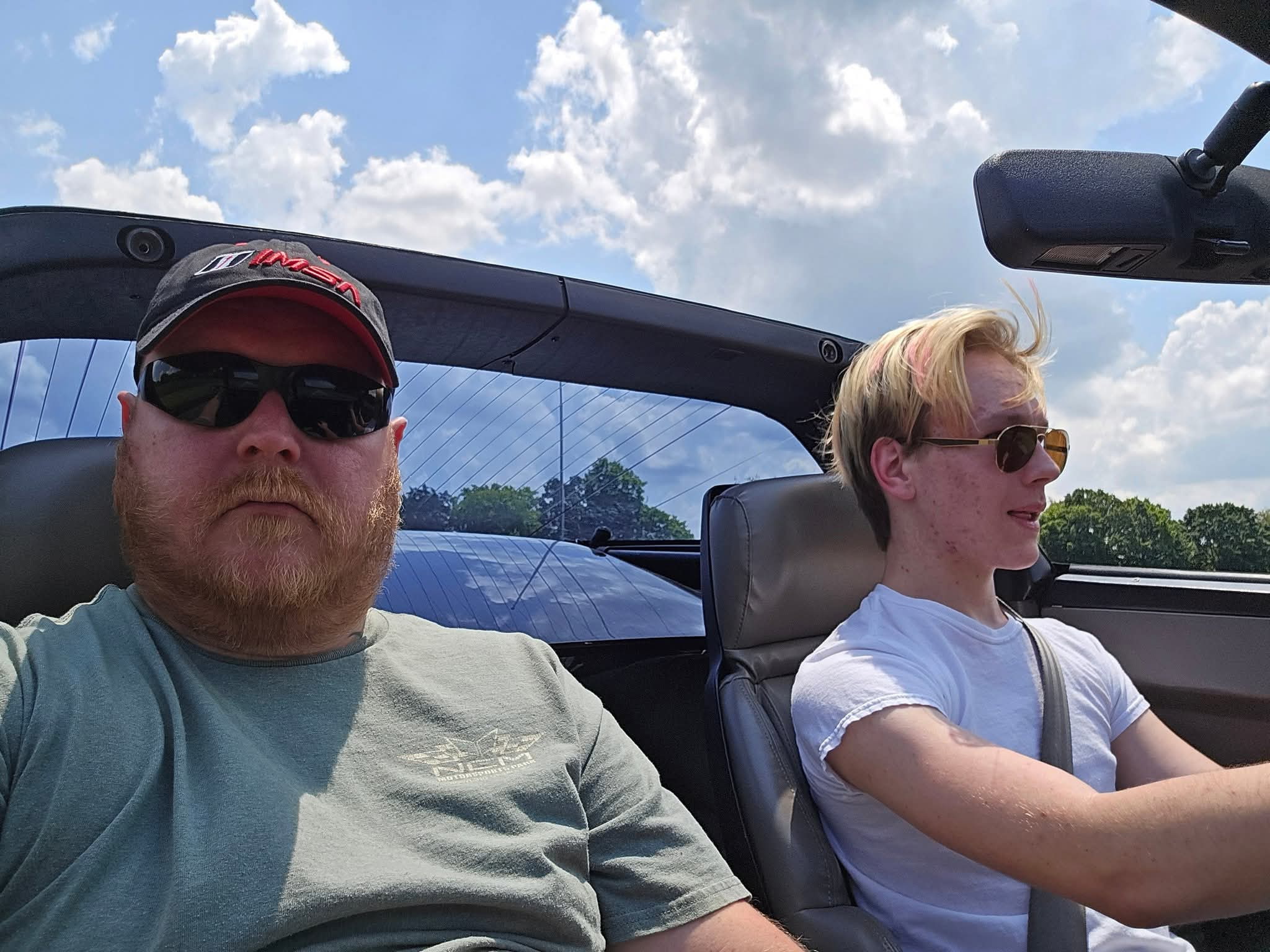
This piece on the 1989 Corvette is lovingly dedicated to Kevin and Dean, a father and son duo who took the time to completely restore their own 1989 Corvette over the past several years.