
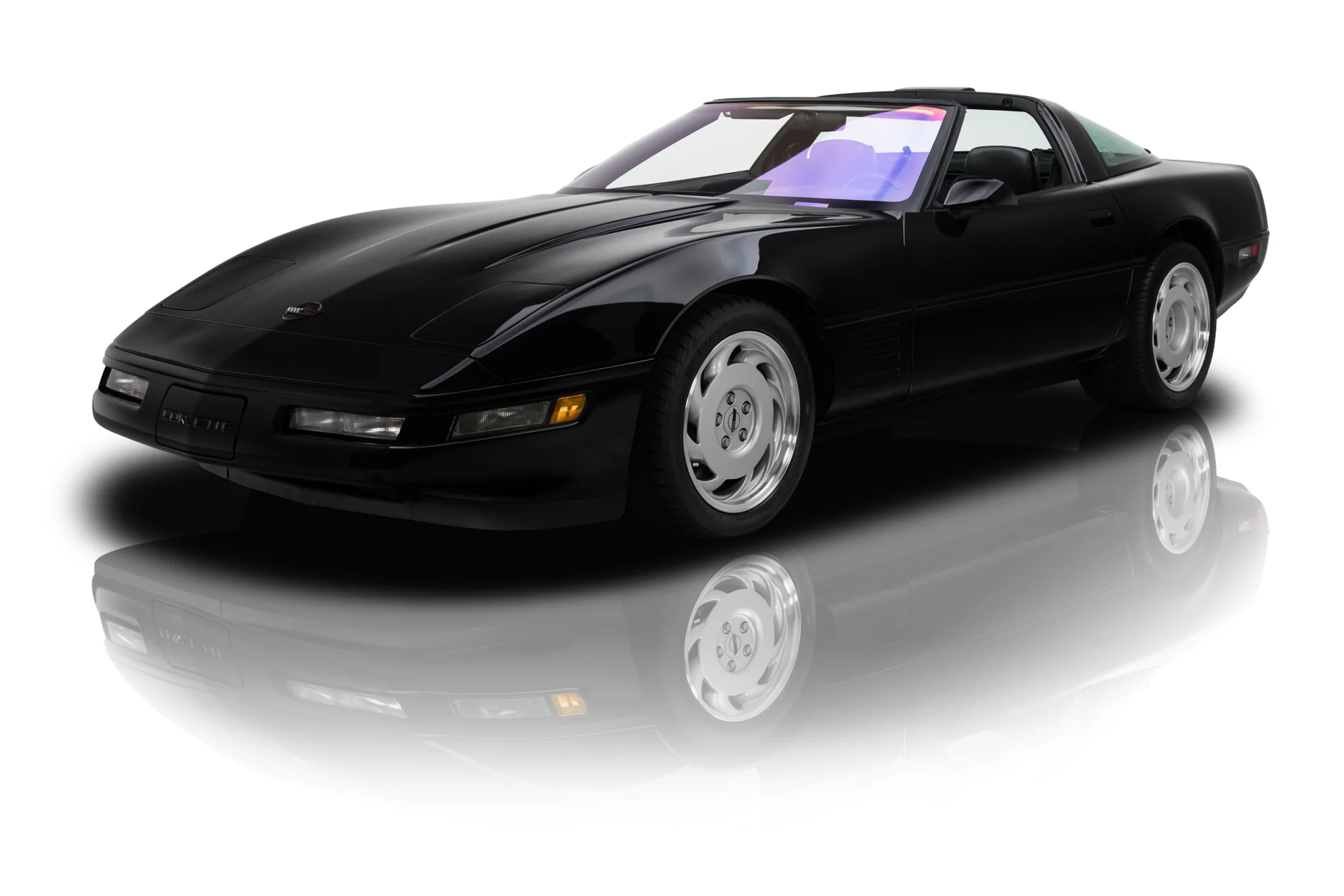
With the arrival of the ZR-1 in 1990, the Corvette had once more been elevated to a stature that had been missing since the early seventies. The “King of the Hill” had arrived—and it had, by nearly every quantifiable metric, met or exceeded the expectations of enthusiasts and critics alike. Car and Driver magazine famously called it “at once the most exciting and responsible high-performance car ever conceived in Detroit,” a machine that felt“glued to the pavement” and “powered by equal parts lightning and solid rocket fuel.”
That was the promise. 1991 revealed the complications.
The sticker, the sizzle, and the subtlety problem
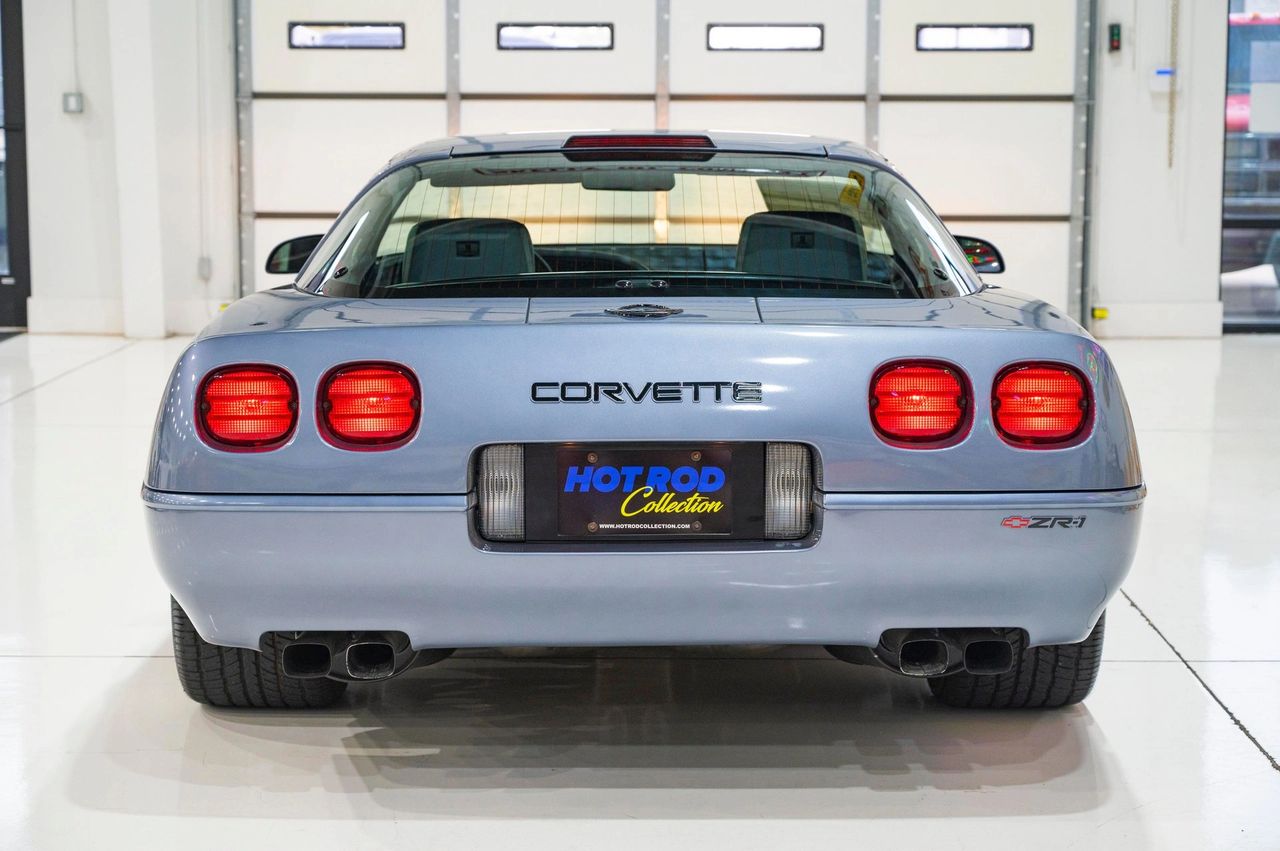
The ZR-1’s arrival had been anticipated for so long that the earliest buyers happily paid over list price. Base ZR-1 MSRP in 1990 was $58,995 (the ZR-1 option alone cost roughly as much as a base coupe), and contemporary accounts confirm that six-figure out-the-door prices were not uncommon thanks to dealer markups.
And yet, the very thing that made the ZR-1 sensational mechanically—the Lotus-designed, Mercury Marine-built, 32-valve LT5—arrived wrapped in a body that, to the casual eye, looked very much like a regular C4 Corvette. Yes, the 1990 ZR-1 had a distinctive convex rear fascia and square taillamps, wider rear quarters, and 315-section Goodyears on 11-inch-wide rims—details that were candy to trained eyes. But to the average passerby? It read “Corvette,” not “twice-the-price Corvette.” One period review put it bluntly:“It’s the world’s fastest Corvette, but it still looks like a Corvette.”
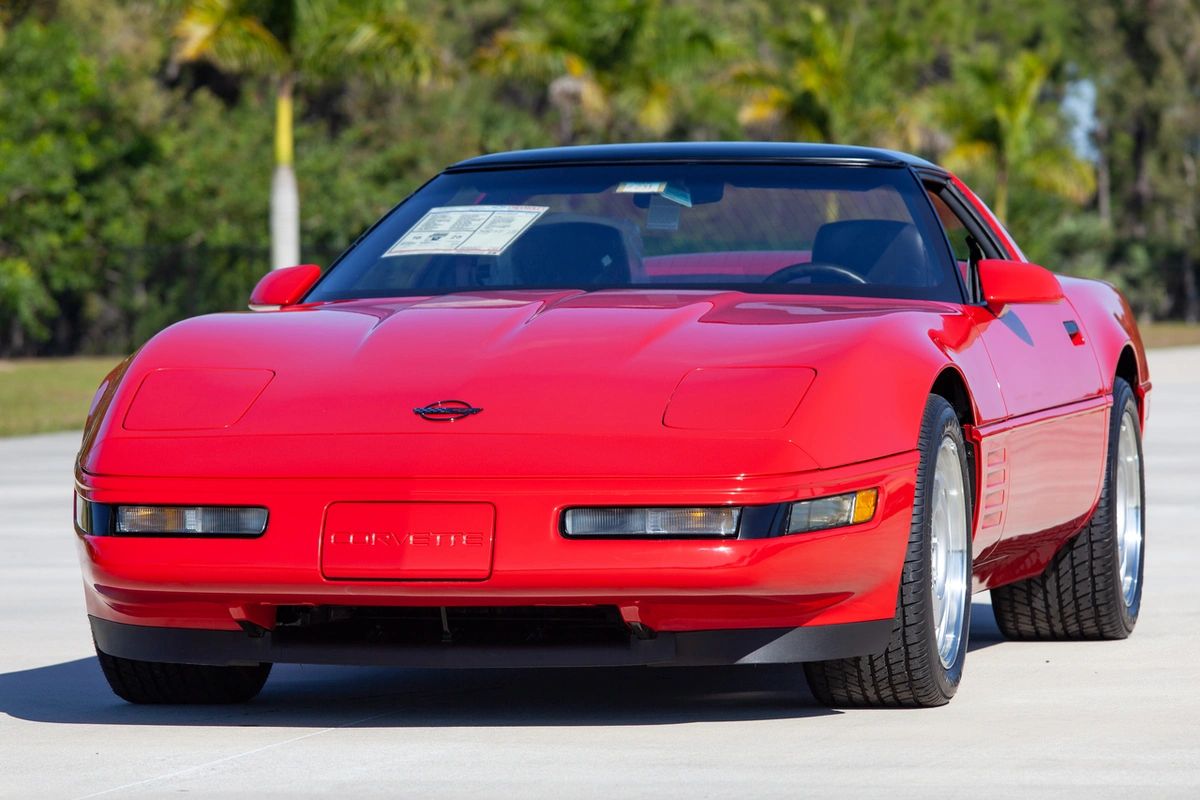
Chevrolet complicated that perception further in 1991 by giving the base coupe and convertible a visual refresh that borrowed some of the ZR-1’s look: a smoother, slimmer front fascia with wraparound lamps and—crucially—an all-new rear fascia with the same convex theme and four rectangular taillamps. The ZR-1 retained its wider rear fenders and unique doors to house those massive 315s, and the high-mounted center stop lamp stayed up on the roof hatch. But the line between “King of the Hill” and “regular” blurred in traffic and across the Chevy showroom.
For a halo car, that subtlety hurt. It’s one thing when a Testarossa looks nothing like a 348; it’s another when the mighty ZR-1 can be mistaken—at a glance—for an L98 coupe.
Inside the 1991 CORVETTE ZR-1: what the badge really bought
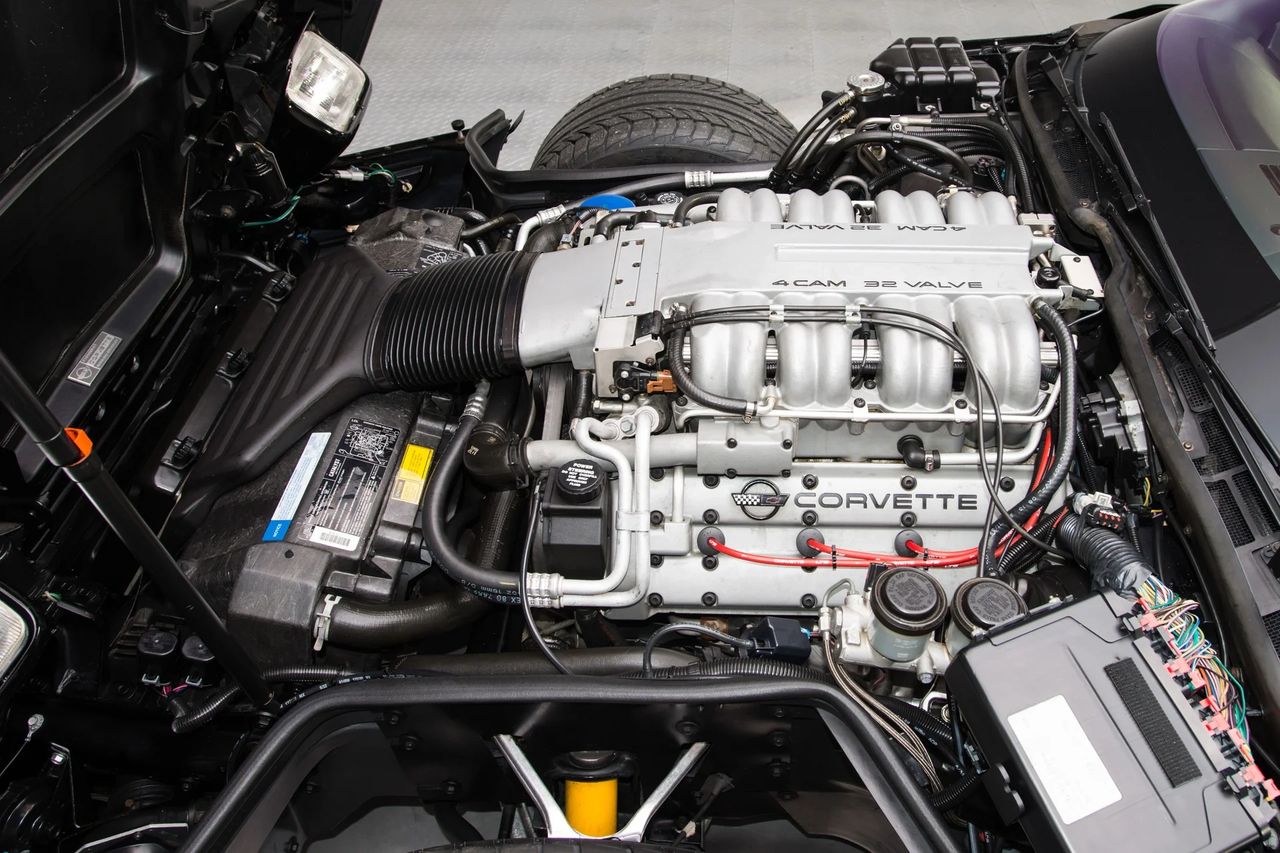
Under the skin, of course, the ZR-1 was anything but subtle. The LT5, developed with Lotus and assembled in Stillwater, Oklahoma by Mercury Marine, was an exotic for its day: all-aluminum block, DOHC/32 valves, an intricate induction with primary and secondary throttles, and a unique two-mode “valet” key that allowed the driver to lock out the secondaries for reduced output around town. Rated at 375 horsepower, it was unlike any small-block Chevrolet before it.
Lotus engineering boss Tony Rudd explained it simply: having been asked to make a world-beating Corvette, his team concluded the only answer was to develop and assemble a completely new engine from scratch. The LT5 was the result: high-revving, refined, durable, and unflappable.
And its durability wasn’t hype. On March 1, 1990, a showroom-stock ZR-1 prepared by Tommy Morrison’s team shattered long-standing endurance records at the Firestone test track in Fort Stockton, Texas—among them a 24-hour average of 175.885 mph while covering over 4,200 miles. Drivers John Heinricy, Jim Minneker, Stu Hayner, and others rotated stints at more than 180 mph. Heinricy later said, “It’s not a highlight of your career; it’s a highlight of your life.” Minneker added that at 180 mph, the ZR-1 felt “like riding down the freeway.”
On paper and at full cry, the ZR-1 delivered. The problem was that 1991 would test how Halo hardware survives the market forces outside the test track.
A new rival in the room — Viper
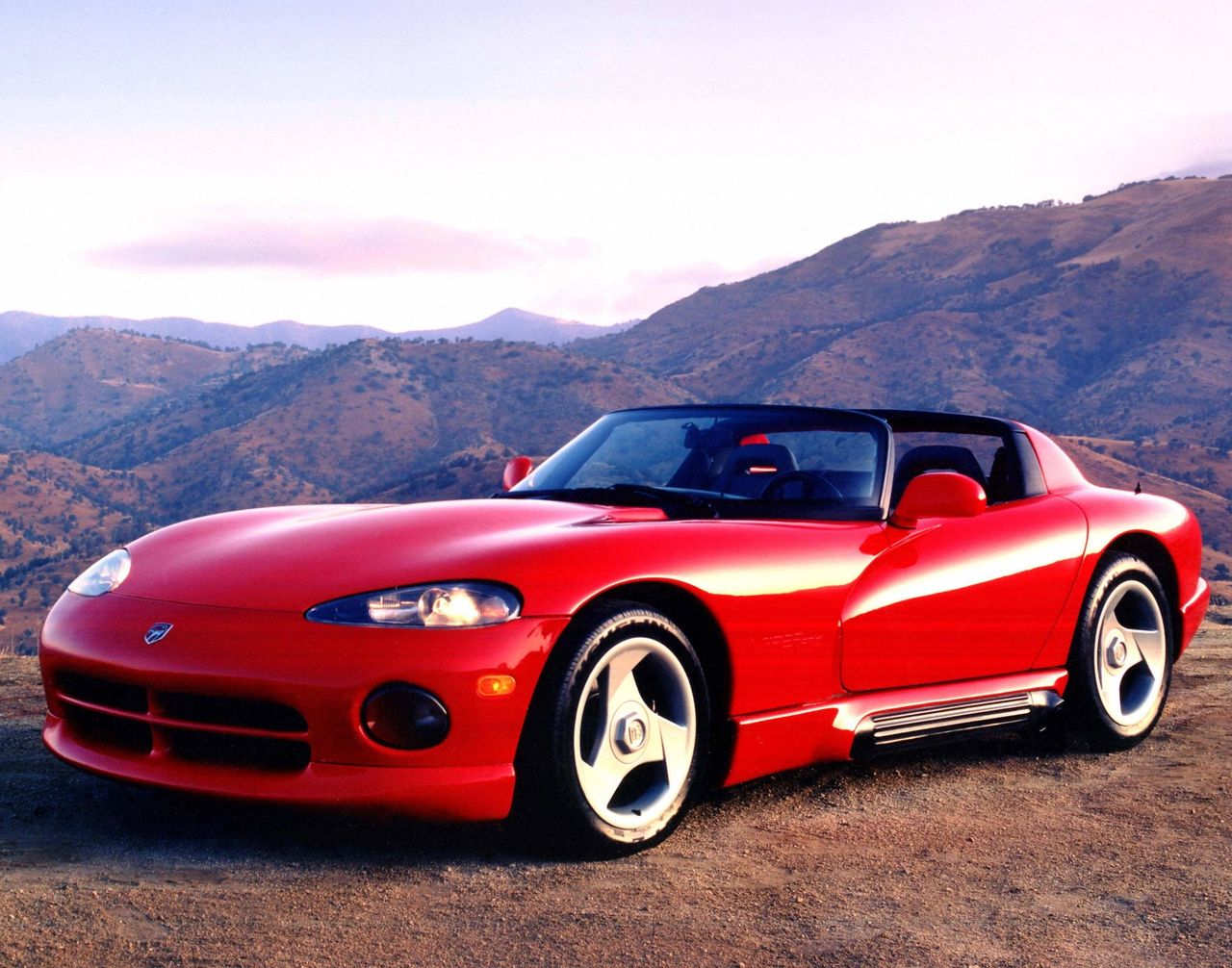
In early 1991, Dodge confirmed what it had teased two years earlier: the production Viper was coming as a 1992 model. With 400 horsepower from its V-10 and looks that screamed “race car for the street,” the Viper was raw, visceral, and unapologetic. Chrysler president Bob Lutz pitched it as the modern AC Cobra, deliberately eschewing driver aids to keep it elemental. The press swooned. Suddenly, Corvette no longer had the American supercar conversation to itself.
Chevrolet had forecast 4,000–8,000 ZR-1s annually. After the initial 1990 frenzy that saw 3,049 built, ZR-1 production dropped to 2,044 in 1991. The “new American supercar” badge had a second claimant, and buyers noticed.
The base car gets better—and closer
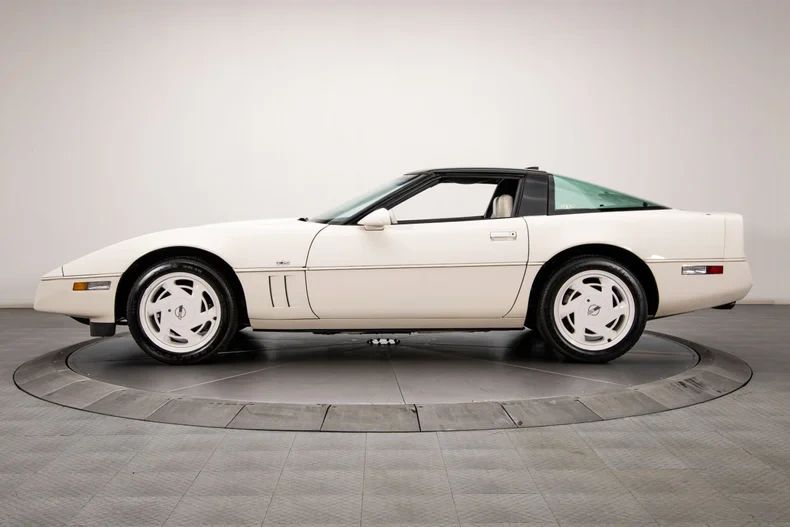
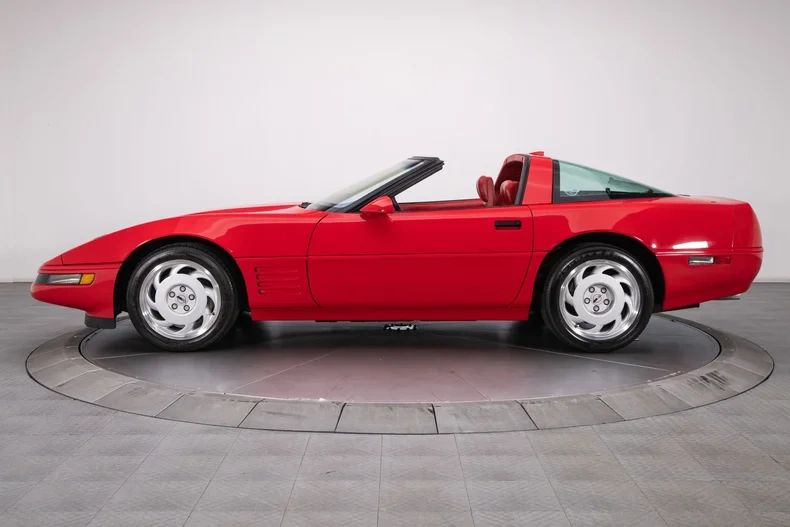
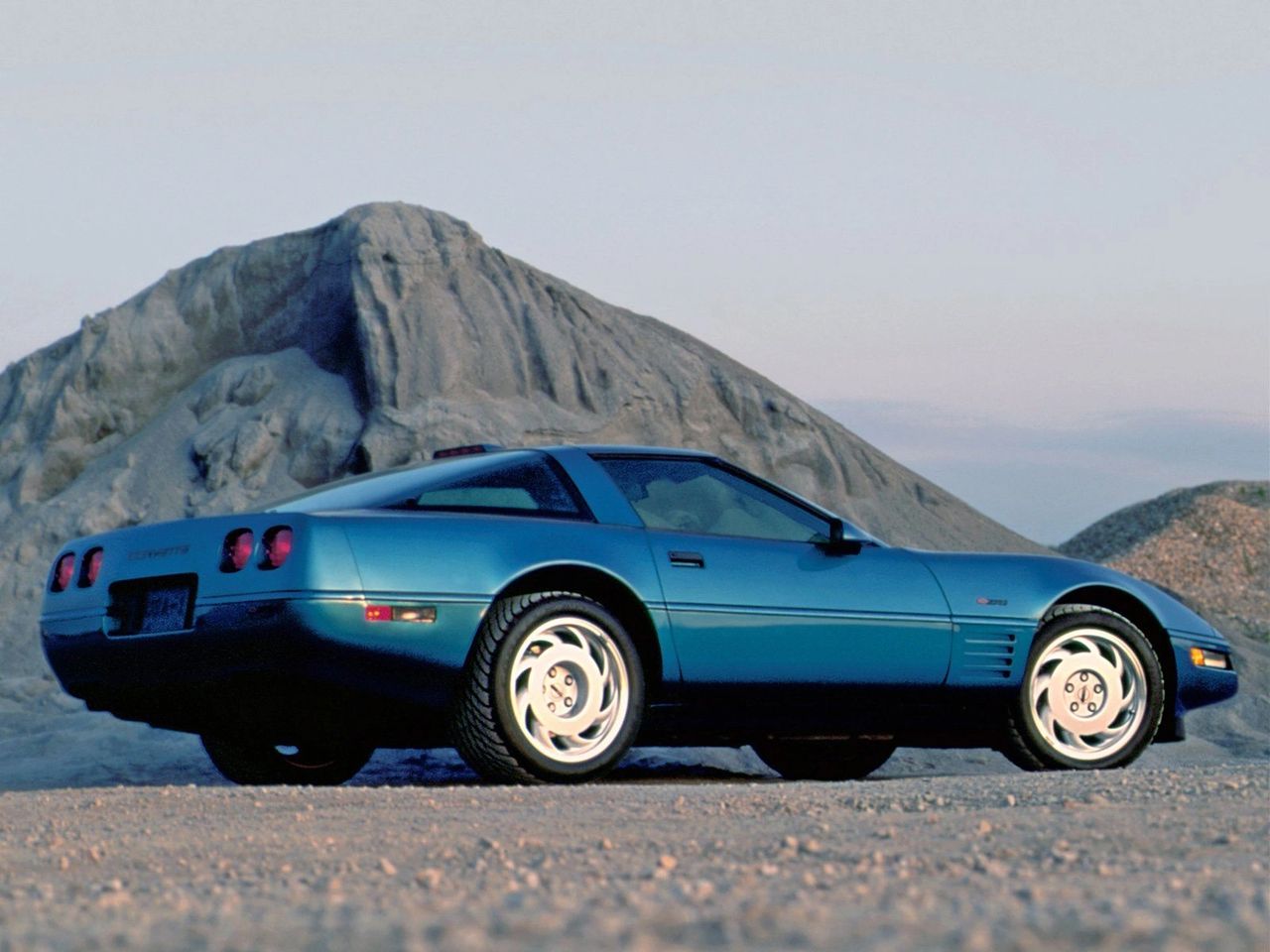
Meanwhile, the standard 1991 Corvette was no longer standing still. The styling update modernized the face and tail. Body-side moldings went body-color. The “gill” openings behind the front wheels were recut into four horizontal strakes. Inside, a handful of usability updates arrived—most notably Retained Accessory Power (allowing power windows and audio to function for up to 15 minutes after key-off until a door opened), a low-oil warning in the Driver Information Center, and pre-wiring for a cellular phone.
Under the skin, mufflers were enlarged to reduce backpressure and improve tone; a finned power-steering cooler was added; and the suspension menu was shuffled. RPO Z07 (“Adjustable Suspension Package”) combined the heavy-duty hardware of the old Z51 with the FX3 Selective Ride Control shocks, giving buyers a track-leaning yet street-tunable setup in one box.
Horsepower? The stalwart L98 stuck around for one last year before the LT1’s 300-hp debut in 1992, but Chevy did squeeze the numbers a bit: 1991 cars were rated at 245 hp with the automatic and 250 with the ZF six-speed manual. In testing, the standard Corvette still ran hard with the day’s best Japanese GTs, even if its chassis still favored brute strength over delicacy.
Add it up, and you can see how the value calculus shifted in 1991: the base Corvette looked fresher, drove better, and cost half as much. The ZR-1 was still extraordinary at full tilt—but Chevy had unintentionally made the base car feel close enough to blunt the halo’s glow.
Sales reality and the C5 cloud on the horizon
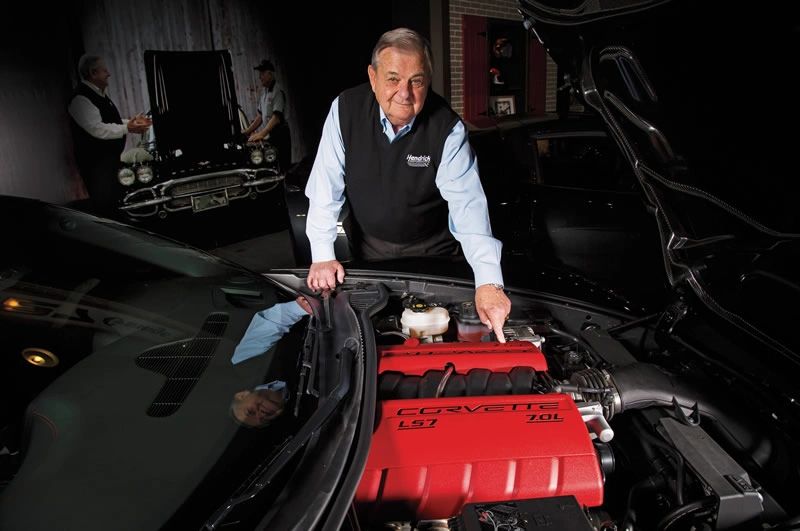
As 1991 wore on, GM’s financial picture darkened. The all-new Corvette program, initially expected to arrive in 1995, slipped deeper into the decade. Inside GM headquarters, there were even conversations about whether the Corvette program was worth the capital and engineering resources. Chevrolet general manager Jim Perkins, a believer to his very core, pushed back. He argued that killing Corvette meant killing Chevrolet’s soul. Perkins, along with manufacturing chief Joe Spielman, worked on the politics and budgets to keep the program alive. The C5 would eventually emerge, but not soon.
Meanwhile, Corvette sales slid. The total 1991 production run was 20,639 units (14,967 coupes and 5,672 convertibles). The ZR-1’s 2,044-unit slice was a warning: the halo would not float on its own forever, not at that price, not without daylight between it and the base car.
The 1991 details—what changed, what mattered
- Exterior refresh: smoothed front fascia with integrated wraparound lamps; new rear fascia across all models adopting the ZR-1’s rectangular lamp theme; four horizontal front-fender strakes replacing earlier vertical louvers; body-side moldings painted in body color.
- Wheels/tires: new 17-inch “sawblade” wheel design debuted; base cars wore 9.5-inch widths with P275/40ZR-17s, while ZR-1 rears remained 11 inches wide with P315/35ZR-17s under unique wider quarters.
- Interior/UX: Retained Accessory Power, low-oil indicator, and phone pre-wire. On ZR-1s, the dash “Full Power” light moved adjacent to the valet key switch.
- Powertrain: L98 stayed at 245 hp (auto) / 250 hp (manual). The LT5 in the ZR-1 remained at 375 hp.
- Chassis: larger mufflers tuned for a richer note and lower backpressure; finned power-steering cooler added; RPO Z07 combined heavy-duty suspension with FX3 electronic damping.
Racing, World Challenge, and the end of a factory idea
Chevrolet’s factory-supported Corvette Challenge had ended after 1989. For 1991, Corvette participation continued in SCCA’s World Challenge series, but buyers no longer had the option of a factory-delivered, race-prepped car. If you wanted to race, you bought a Corvette and built it yourself. The big, loud factory statement had already been made at Fort Stockton, and it still resonated through 1991.
Callaway: last year as an RPO, and the Speedster side-story
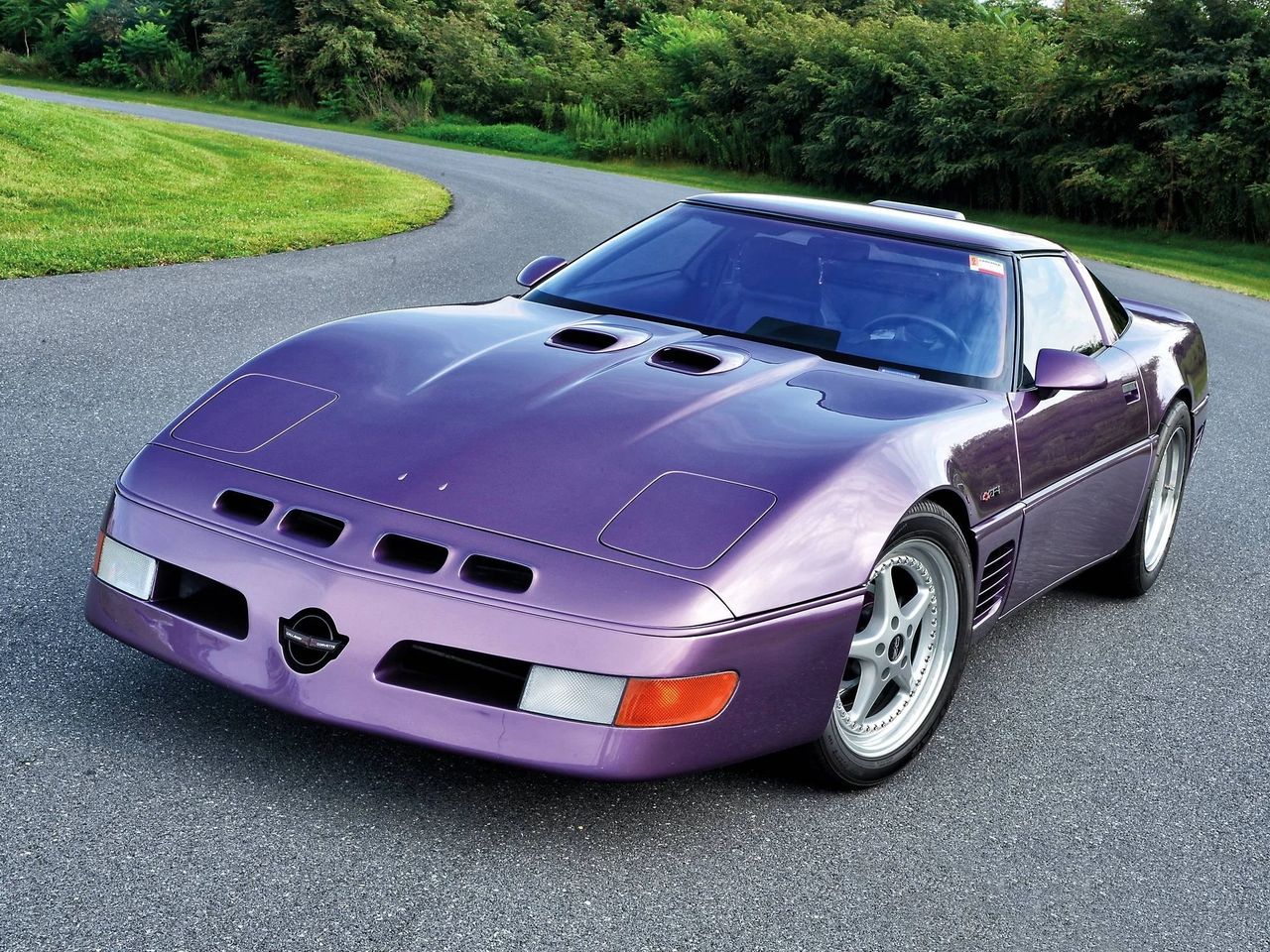
1991 was the final year you could tick RPO B2K at your Chevy dealer and get your car shipped to Callaway Cars for the Twin-Turbo conversion under factory sanction. Just 71 were built that year. That brought the total B2K tally to just over 500 cars since its 1987 debut. It was the end of an era.
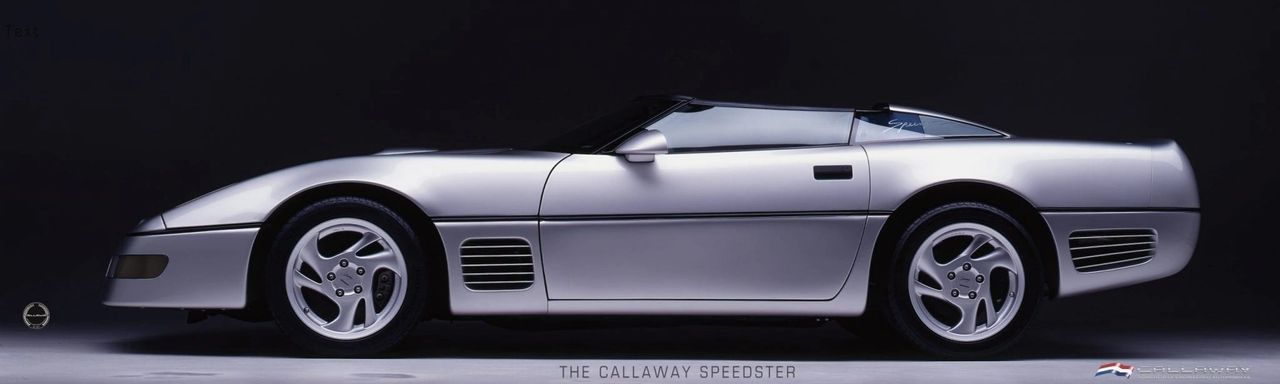
Reeves Callaway, however, wasn’t finished. For 1991, he introduced the Callaway Twin-Turbo Speedster convertible—an ultra-limited (about ten cars) special with O.Z. wheels, a bespoke Connolly leather interior, and a radical double-bubble roof treatment. With 450 horsepower and 600 lb-ft of torque, it was outrageous even by Callaway standards and carried a six-figure price tag. It stood as a parallel vision of what the ultimate Corvette could be.
VINs, production, and options
- 1991 total production: 20,639 (14,967 coupes; 5,672 convertibles).
- ZR-1 production: 2,044.
- VIN ranges: For base 1991 Corvettes, the last six digits run from 100001 to 118595. For 1991 ZR-1s, Chevrolet used a separate ZR-1 sequence: 5800001 to 5802044.
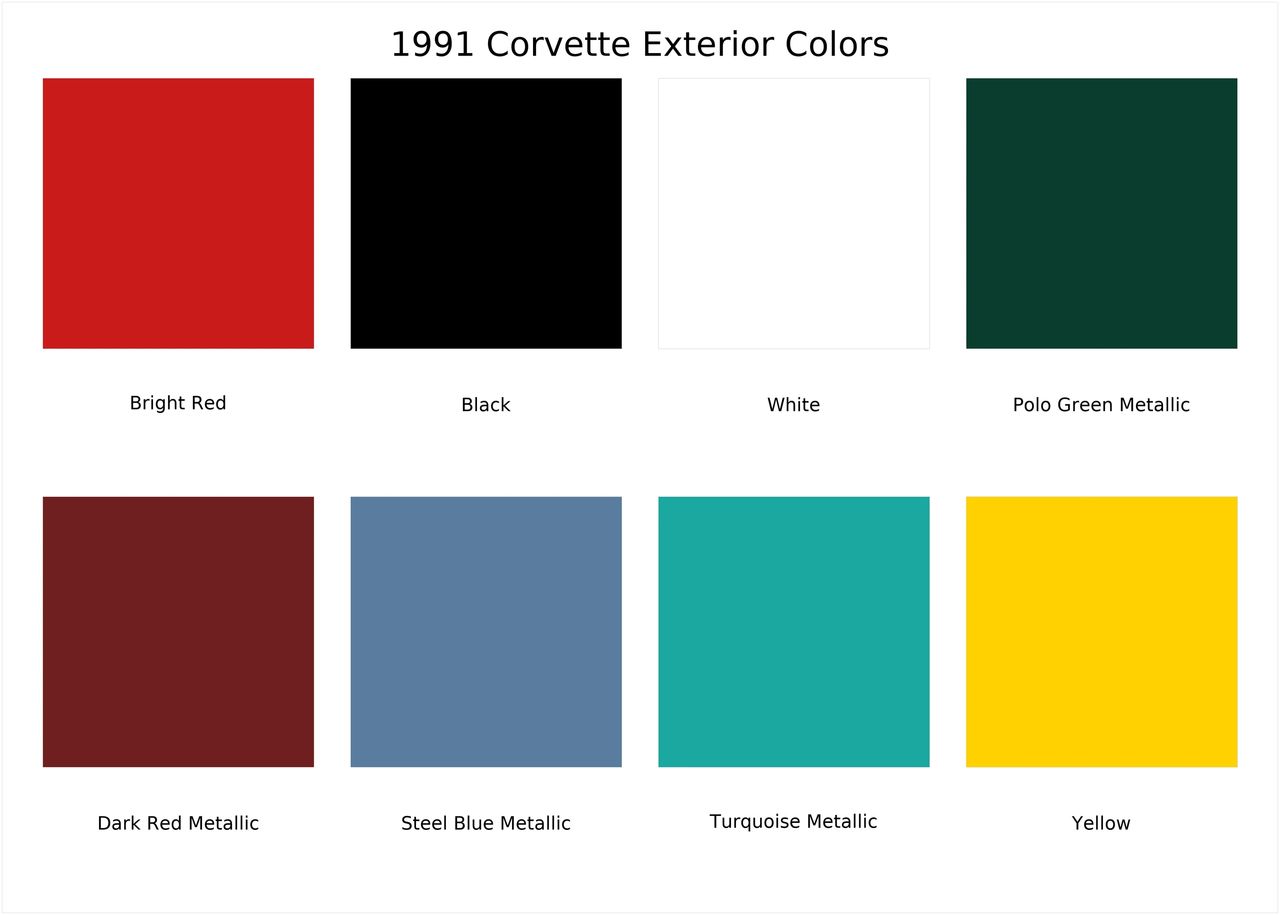
- Colors: Ten factory colors: White, Steel Blue Metallic, Yellow, Black, Turquoise Metallic, Dark Red Metallic, Quasar Blue Metallic, Bright Red, Polo Green Metallic, and Charcoal Metallic—with Bright Red the most popular.
- Wheels: 17×9.5-inch aluminum “sawblade” design on base cars; ZR-1’s 11-inch rears remained unique.
- RPO Z07: “Adjustable Suspension Package,” bundling heavy-duty suspension with FX3 shocks, coupe-only, and rare.
Why the ZR-1 stumbled—and what 1991 taught Corvette
The ZR-1’s 1991 headwind came from three directions:
- Price vs. Perception. The ZR-1 nearly doubled the price of a base coupe. Buyers expected a car that looked as radical as it performed. The resemblance to the base Corvette dulled its impact.
- The Viper changed the story. Dodge’s outrageous proportions, side pipes, and raw charisma stole headlines. For supercar money, many buyers wanted a car that shouted, not whispered.
- The base Corvette got better. The 1991 refresh made the regular car feel current, competent, and a much better value. The halo’s advantage narrowed.
And yet, 1991 wasn’t doom. The ZR-1 continued to be a technological standard-bearer. The base car set up 1992’s LT1 leap. And inside GM, the fight to save the Corvette succeeded—just on a longer timeline. Chevrolet’s Jim Perkins and Joe Spielman fought to keep the program alive, and in the end, the C5 Corvette would prove them right.
The 1991 ownership experience
For owners, 1991 delivered a mix of familiar Corvette muscle and fresh refinement. The RAP feature for the windows and audio was one of those everyday conveniences that made the cockpit friendlier. The new mufflers deepened the L98’s voice, and the steering cooler was a thoughtful nod to track days and hot climates. Z07 cars were unapologetically stiff but tunable, proof that the Corvette could satisfy enthusiasts who demanded more. And for ZR-1 owners, the ritual of turning the valet key to “Full Power” and watching the dash light glow remained a thrill. The LT5’s pull above 5,500 rpm felt like no small-block before it—silky, insistent, and distinctly European in character.
Quick Reference: 1991 Corvette Highlights (for the spec-hungry)
- Production: 20,639 (14,967 coupes; 5,672 convertibles).
- Engines: L98 5.7L TPI—245 hp (auto) / 250 hp (6-spd). ZR-1 LT5 5.7L DOHC—375 hp.
- Transmissions: 4-spd auto with OD; ZF 6-spd manual.
- Chassis options: FX3 electronic selective ride; Z07 Adjustable Suspension Package (HD bits + FX3, coupe only).
- Styling: new front/rear fascias; ZR-1-style rectangular taillamps now on all Corvettes; ZR-1 retains wider doors/rear quarters and roof-mounted CHMSL; base cars integrate CHMSL into fascia.
- Wheels/Tires: new 17-inch “sawblade” wheels; base P275/40ZR-17; ZR-1 rears P315/35ZR-17 on 11-inch rims.
- Interior/UX: RAP windows/audio (up to 15 min), low-oil indicator, phone pre-wire; ZR-1 “Full Power” indicator relocated next to the valet key.
- Exhaust/Steering: larger mufflers (reduced backpressure, richer tone); finned power-steering cooler.
- B2K Callaway: last year as an RPO; sources cite either 62 or 71 cars—most specialist sources list 71.
- ZR-1 VIN range (1991): last six digits 5800001–5802044 (2,044 cars). Correction: the oft-repeated “803049” end number belongs to 1990.
1991 Corvette — Key Specifications
Quick Stats (Base vs. ZR-1)
- Base (Coupe/Convertible): 5.7L L98 TPI V8 — 245 hp @ 4,000 rpm • 345 lb-ft @ 3,200 rpm; 4-spd auto (TH700-R4) or ZF S6-40 6-spd manual. Bosch ABS II standard.
- ZR-1: 5.7L LT5 DOHC V8 — 375 hp @ 6,000 rpm • 370 lb-ft @ 4,800 rpm; ZF S6-40 6-spd manual only.
Performance (period ranges)
- Base: ~0–60 mph 5.7–6.5 s, ¼-mile ~14.5–14.9 s @ ~96–98 mph (equipment/axle dependent).
- ZR-1: Quicker than base in contemporary tests (same gears, higher power).
Chassis, Suspension & Brakes
- Structure: “Uniframe” with composite body panels; forged-aluminum control arms (F/R); independent 5-link rear; transverse composite monoleaf springs; gas-pressurized shocks; power rack-and-pinion steering. ABS (Bosch II) standard.
- Packages:
- Z07 Adjustable Suspension Package (new for ’91, coupe): combines heavy-duty Z51-type hardware with FX3 electronically adjustable damping.
Wheels & Tires
- Base: 17 × 9.5-in cast-aluminum wheels (left/right specific) with P275/40ZR-17 unidirectional Goodyear Eagles.
- ZR-1: 17 × 9.5-in (front) / 17 × 11-in (rear) with 275/40ZR-17 (F) and 315/35ZR-17 (R).
Dimensions & Capacities
- Wheelbase: 96.2 in • Length/Width/Height: ~178.5 / 74.0 / 46.7 in* (*overall width varies with wheel/tire; ZR-1 is wider at the rear)
- Fuel capacity: 20.0 gal
- Curb weight (examples): Base coupe ~3,2xx lb; ZR-1 ~3,465 lb.
Powertrain Details
- L98: 9.5:1 compression, Tuned Port Injection, roller lifters; premium unleaded recommended.
- LT5 (ZR-1): Aluminum block/heads, 32-valve DOHC, 11.0:1 compression, unique 16-runner intake with two injectors per cylinder.
Why 1991 matters now
It’s easy to treat 1991 as an in-between year—more than 1990’s hysteria, less than 1992’s LT1 reboot. But it’s pivotal. It’s the moment when Chevrolet learned that halo cars must look the part as much as they are the part. It’s when product planners saw that a $30–40K Corvette had to carry the flag, because not enough buyers would pay double for numbers they couldn’t see. And it’s when GM’s internal advocates realized the only real answer was a truly new Corvette—architecturally, aesthetically, dynamically. The C5 we eventually got bore the fingerprints of those 1991 lessons.
The ZR-1 was audacious: a clean-sheet DOHC V-8, a moonshot endurance record-breaker, a Corvette that could tangle with Ferraris. In 1991, it didn’t dominate the showroom. But it did lay the engineering and cultural groundwork for a Corvette that would, in time, conquer the world again.