The 1968 Corvette arrived at a hinge point in American automotive history. After a decade and a half of prosperity and performance bravado, the industry was grappling with new federal safety rules, the first nationwide emissions requirements, a cooling economy, and rising insurance premiums on high-horsepower cars. Chevrolet confronted those crosscurrents with a bold proposition: a Corvette that looked radically new while leaning on the proven bones of the second generation. The result—low and predatory, with a wasp-waisted profile and deeply sculpted fenders—reset the public’s idea of what an American sports car should look like, even as it carried forward much of the C2’s mechanical essence.
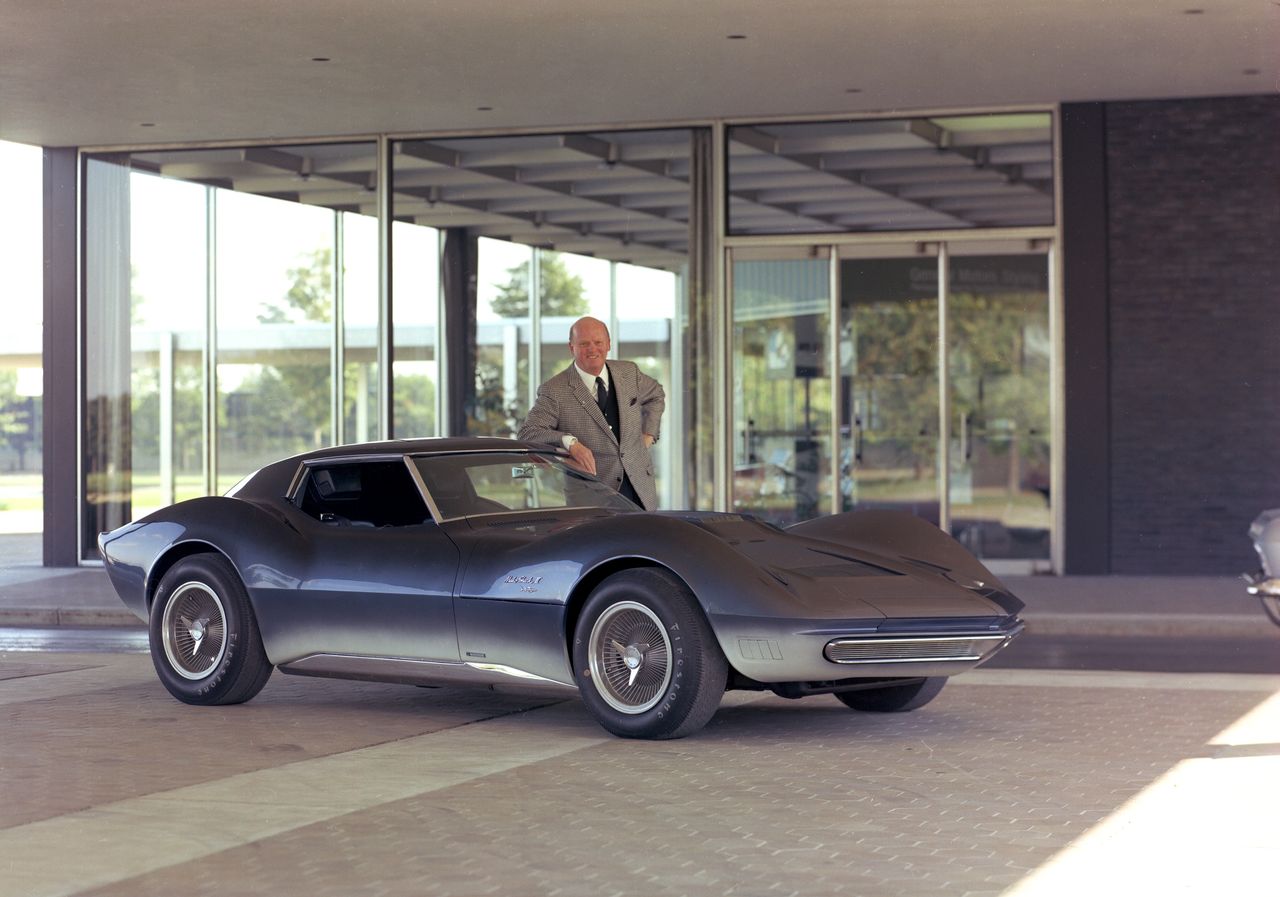
Chevrolet’s decision to conserve the Sting Ray’s core platform wasn’t just frugal; it was strategic. GM had invested heavily in the C2’s independent rear suspension, four-wheel disc brakes, stout small- and big-block power, and a compact 98-inch wheelbase that had proven its worth on the street and in competition. Rather than retire those assets after only five seasons, Chevrolet chose to wrap them in a skin inspired by the Mako Shark II show car, deepen the features list to meet new regulations and modern expectations, and refine the ergonomics for a world that was beginning to think about safety and comfort alongside speed. That approach explains so much about 1968: the car looks like a moonshot but feels, mechanically, like a sharpened Sting Ray.
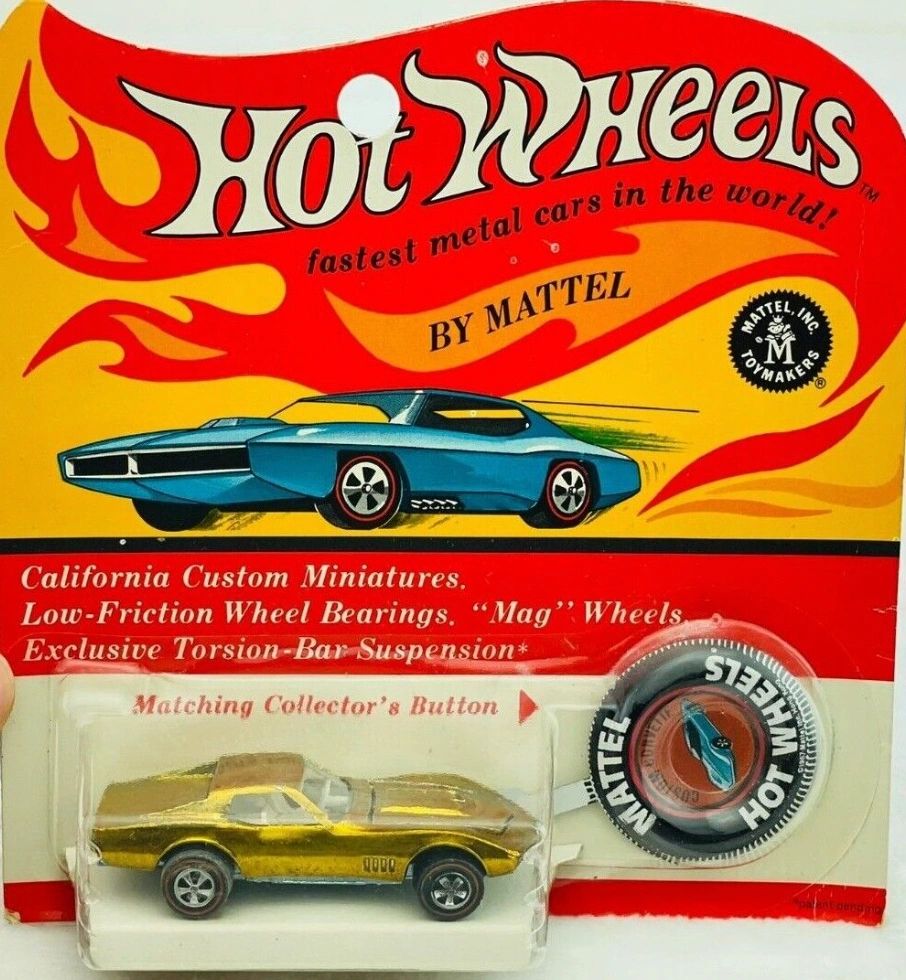
The launch story even had a dash of pop-culture mischief. Before most of America had seen the new Corvette in showrooms, kids were racing a miniature echo of it across bedroom floors. Mattel’s debut Hot Wheels lineup included a “Custom Corvette” whose contours played remarkably close to Chevrolet’s undisclosed body. It wasn’t an official preview, but it stoked anticipation and underscored how indelible the new shape already was in the zeitgeist.
Strategy and Shape
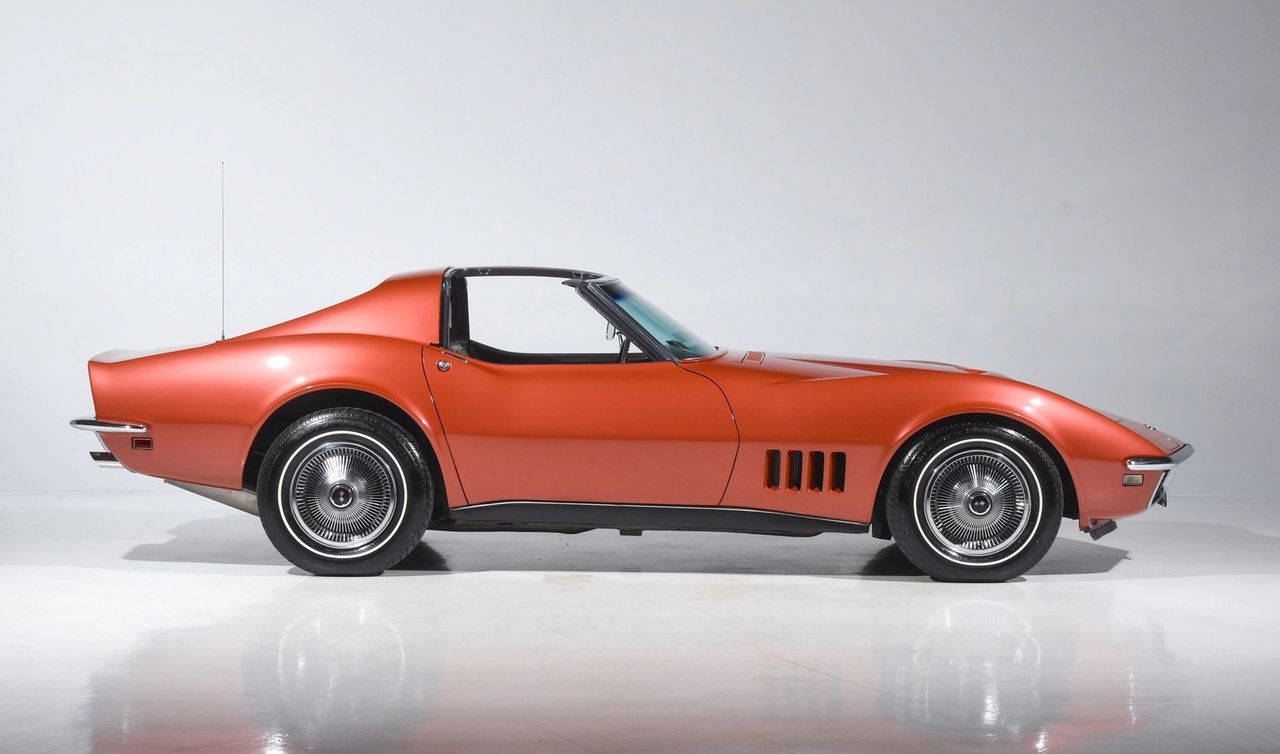
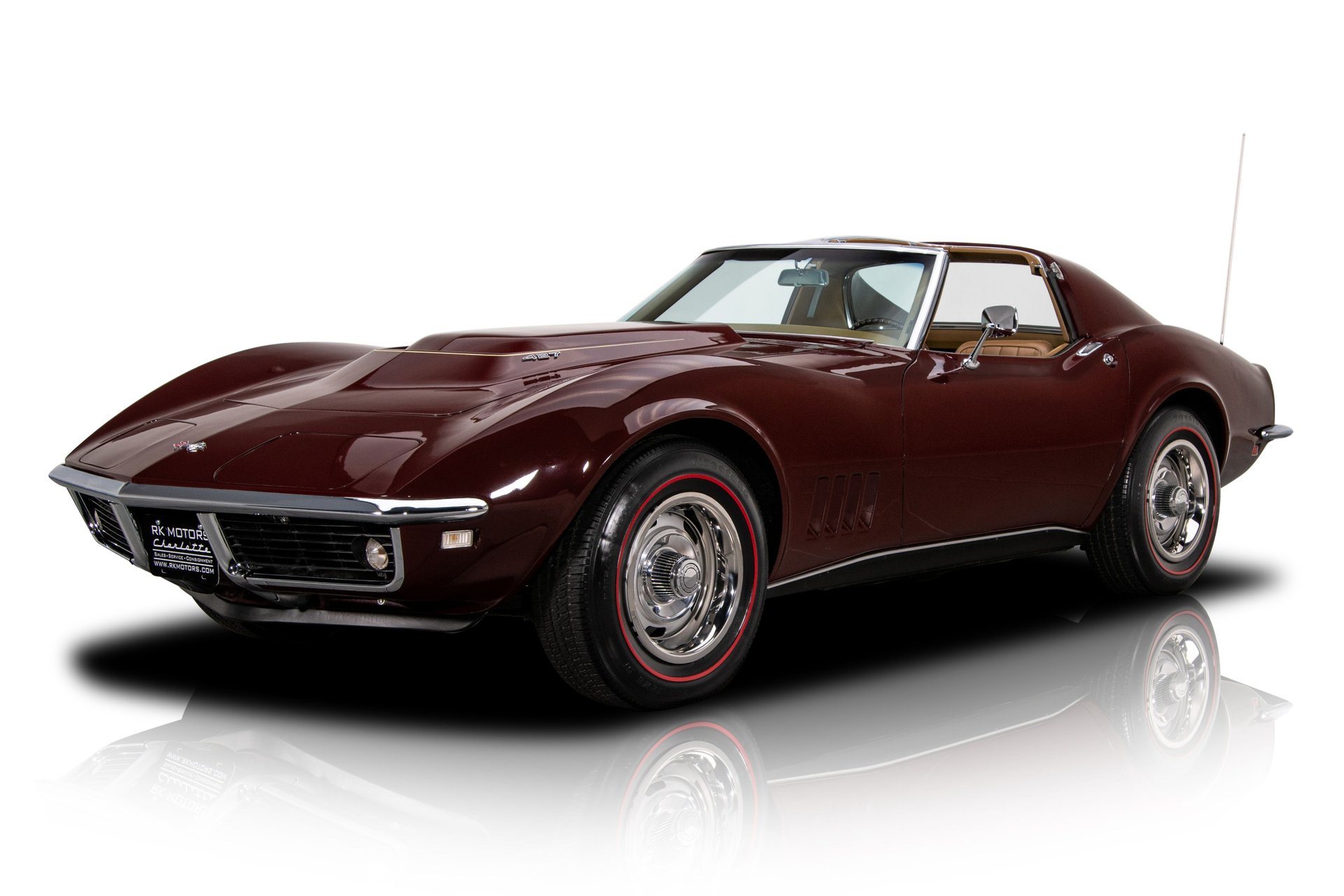
From ten paces, the 1968 car communicated a different kind of menace. The nose stretched farther forward, the hood sank low between powerful, separated fender forms, and the plan view pulled tight through the doors before swelling back into wide haunches. It was sculpture with purpose. The pop-up headlamps remained, now joined by a vacuum-operated door that hid the windshield wipers, adding to the clean, show-car surface language. Functional louvers in the front fenders bled hot air from the engine compartment and, in concert with revised spring rates, helped counter the front-end lift engineers had fought in development. The newfound length—182.1 inches overall versus the Sting Ray’s 175 inches—came almost entirely from that longer prow; the wheelbase stayed a compact 98 inches, preserving the car’s essential footprint and agility.
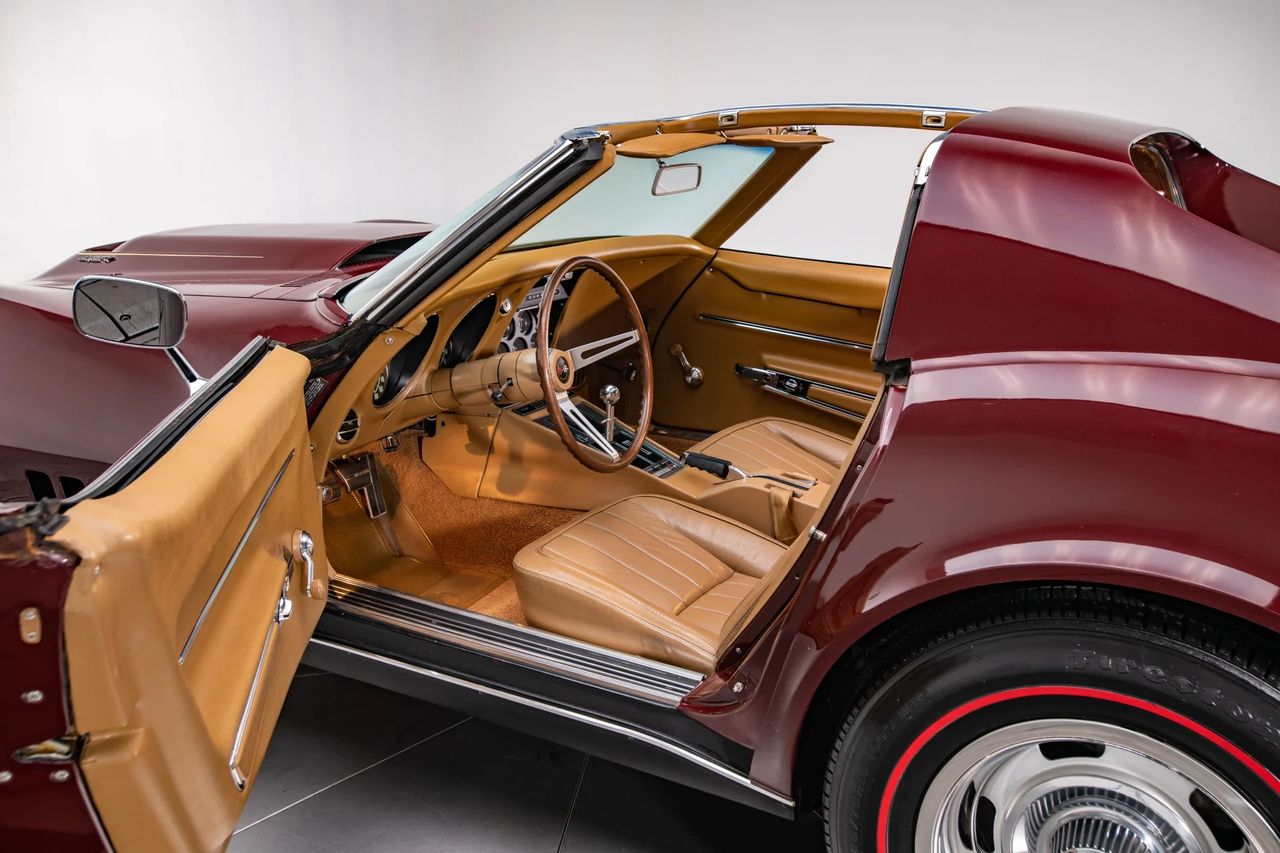
Chevrolet also reframed the coupe experience, and this is one of the subtler but most consequential choices of the year. Rather than treat closed and open cars as mutually exclusive, the team turned the coupe into a modular “go-hardtop.” Twin removable roof panels created the now-iconic T-top, while the rear glass lifted out on early C3s. With the panels stowed, air rushed through the cockpit with an openness that felt convertible-like, yet owners kept the security and structure of a fixed roof when the weather turned foul. It was clever, distinctly American, and became a C3 signature.
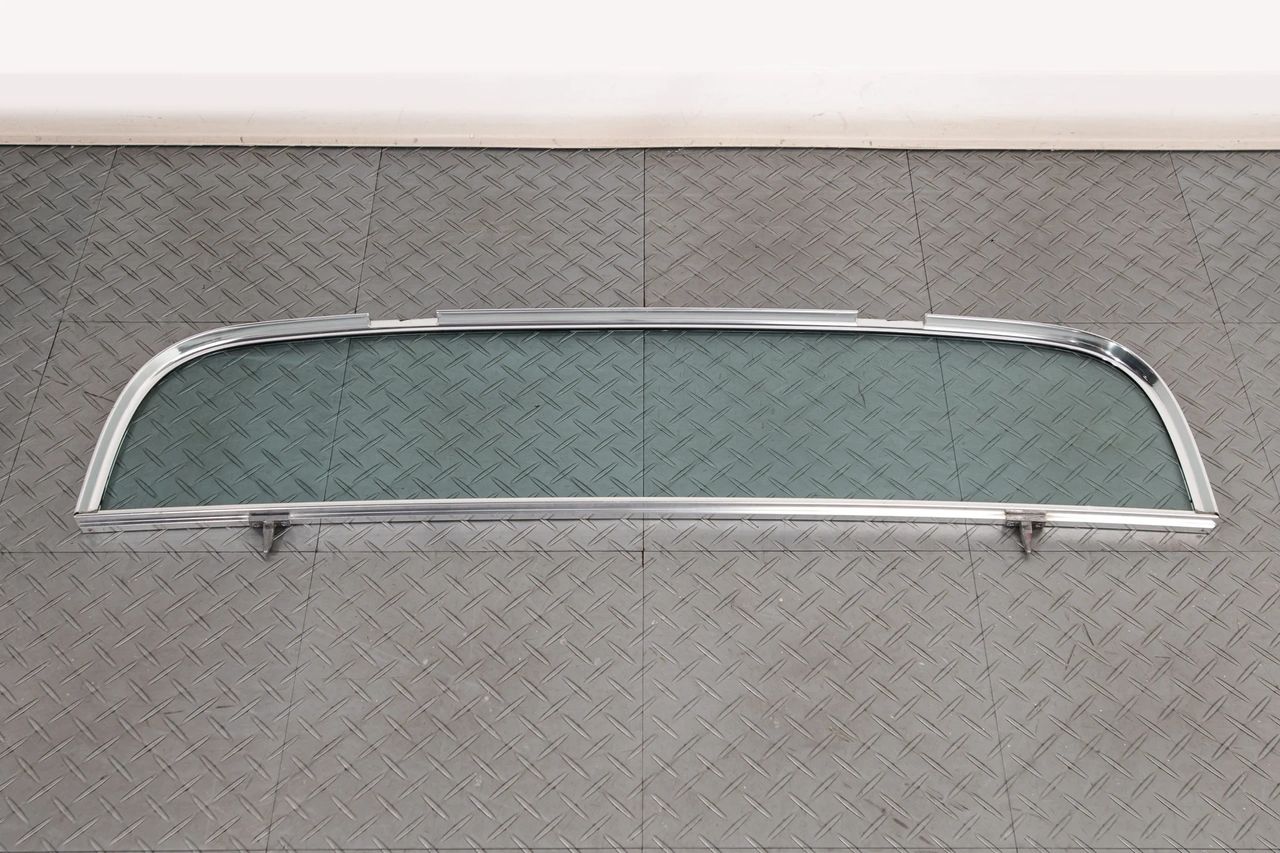
The ventilation story was just as forward-looking. With federal rules pushing manufacturers to rethink passenger safety and comfort, Chevrolet eliminated the C2’s vent windows and introduced Astro Ventilation: cowl-fed air routed through the cabin and out through discreet vents near the base of the rear window. On coupes, removing the rear glass amplified that flow; on convertibles, the system gave top-down cruising a calmer, more controlled airflow. Another futuristic addition, the fiber-optic lamp monitoring panel on the console, let drivers confirm at a glance that exterior lights were illuminated—a tiny flourish that made the cabin feel like a cockpit.
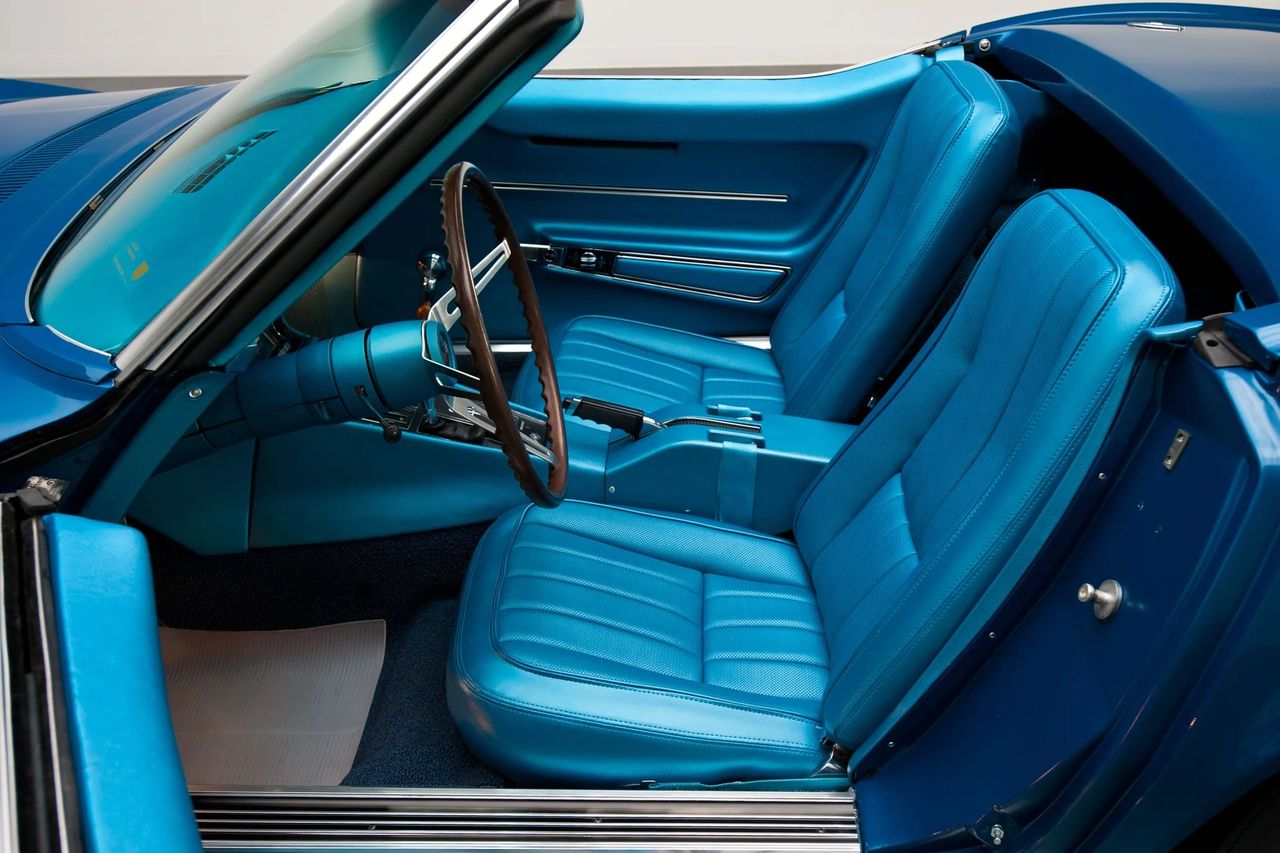
Inside, the seats gained taller backs and a more reclined posture to accommodate the lowered roofline, and the center console reorganized switches and gauges around the driver. Critics would soon complain that the seating angle felt a touch too reclined and that the new lower roof extracted a toll on headroom. But the basic layout—deep cowl, prominent fender peaks visible over the hood, a compact steering wheel held close—remained deeply Corvette, a blend of sports-car intimacy and big-engine promise.
Carryover Where It Counts
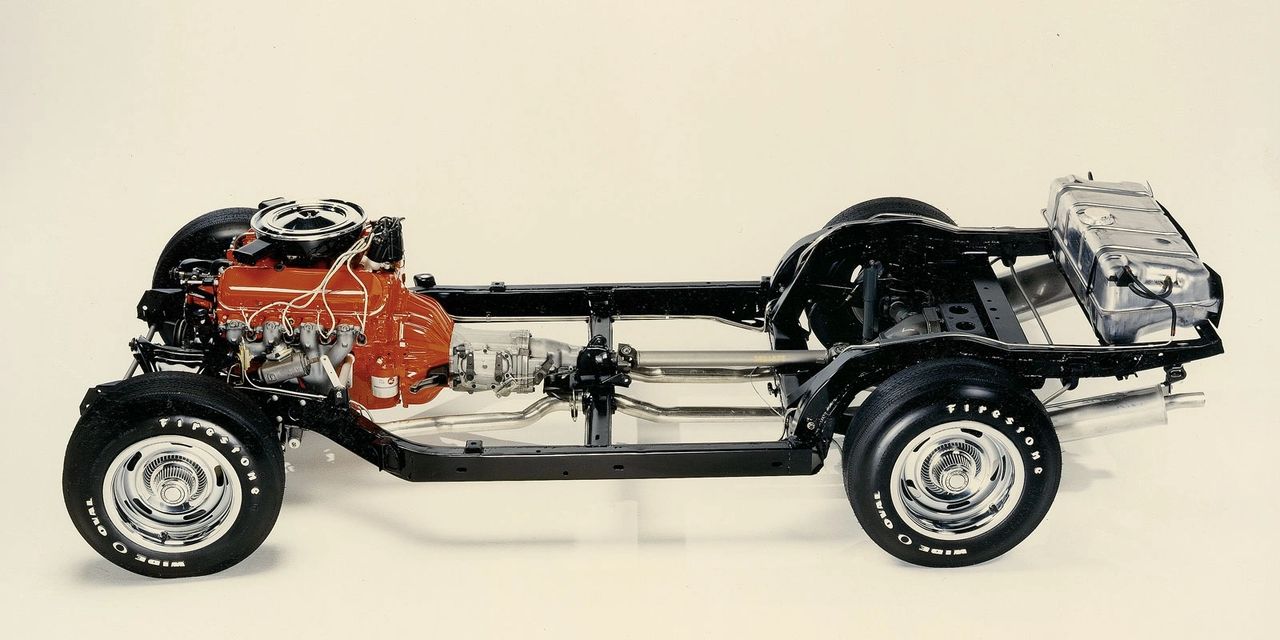
Underneath the fiberglass, the Corvette kept the C2’s essential virtues: a robust ladder frame, independent rear suspension with a transverse leaf spring, power four-wheel disc brakes, and a straightforward steering system. Where the C2 had already been a serious driver’s car, the C3 added wider wheels (seven inches for 1968) and F70-15 tires, raising the grip ceiling and helping the car corner harder and with greater confidence. The rear roll center came down with geometry tweaks that were intended to improve stability. Some testers felt the chassis was inclined to understeer in its base form; Chevrolet countered that with the F41 suspension option and, of course, with the tire and alignment tricks enthusiasts still apply today.
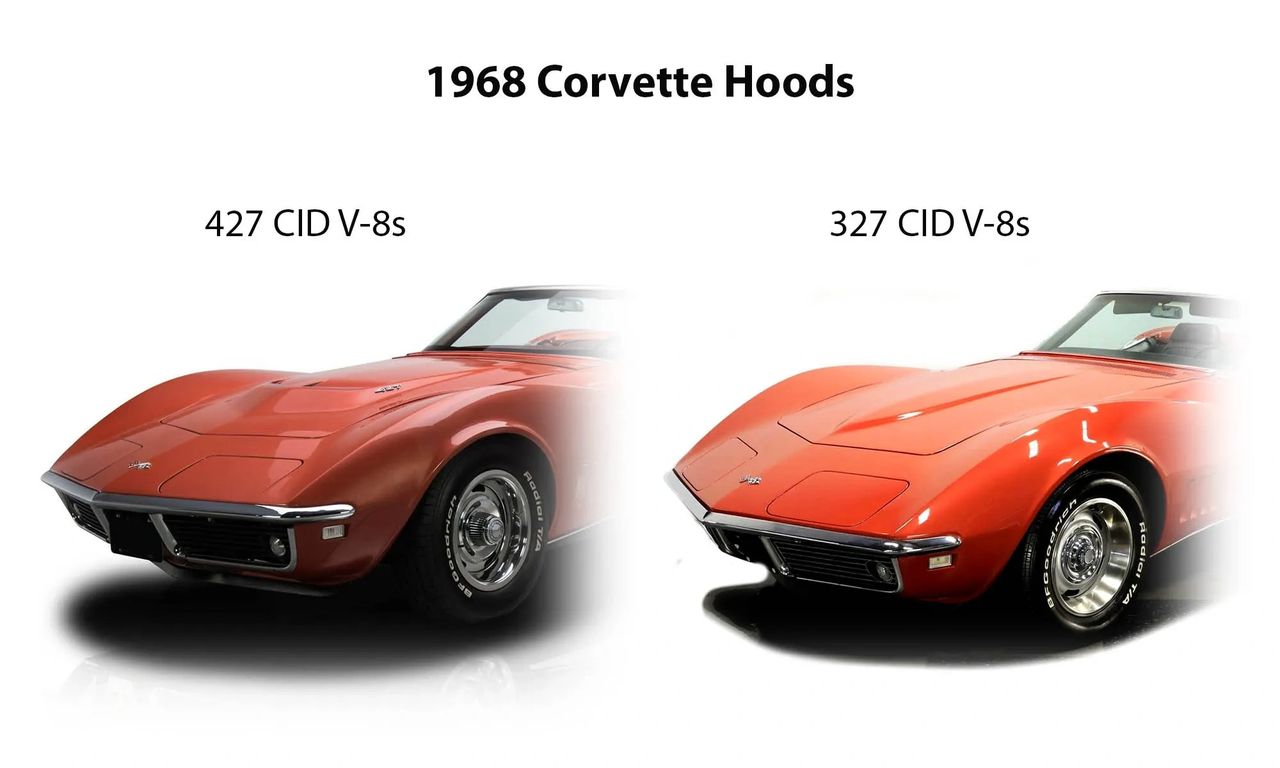
The powertrain roster told buyers exactly what kind of experience to expect. At entry sat a 327 cubic-inch small block rated at 300 horsepower, smooth and tractable, paired by default to a three-speed manual. For many, the sweet spot was the L79 327, tuned to 350 horsepower and famous for its lively midrange without the nose-heavy feel of a big-block. Above those small-blocks, the Corvette’s big-block story diversified into three distinct 427 choices: the 390-horsepower L36, the 400-horsepower L68 with its trio of two-barrel carburetors, and the ferocious L71, another Tri-Power tune advertised at 435 horsepower. At the top of the pyramid sat the L88, officially rated at 430 horsepower but understood by anyone who turned a wrench to be built for racing and capable of far more with the right fuel, cam timing, and exhaust. Smog equipment—positive crankcase ventilation and the A.I.R. pump—arrived with the new emissions reality, trimming none of the theatre but reminding owners that a different era was underway.
Transmission choice mattered, and 1968 broadened that choice decisively. Chevrolet replaced the two-speed Powerglide with the Turbo Hydra-Matic three-speed automatic, transforming the take-rate for buyers who wanted a fast, durable self-shifting Corvette. For purists, the four-speeds remained: the wide-ratio M20, the close-ratio M21, and, in tiny numbers parallel to the L88 tally, the heavy-duty M22 “Rock Crusher,” whose straight-cut gears and distinctive whine became legend. Even the base three-speed manual had its place, largely paired to the 300-horse 327, giving the price-leader cars a simple, honest mechanical feel.
Teething Pains and Running Fixes
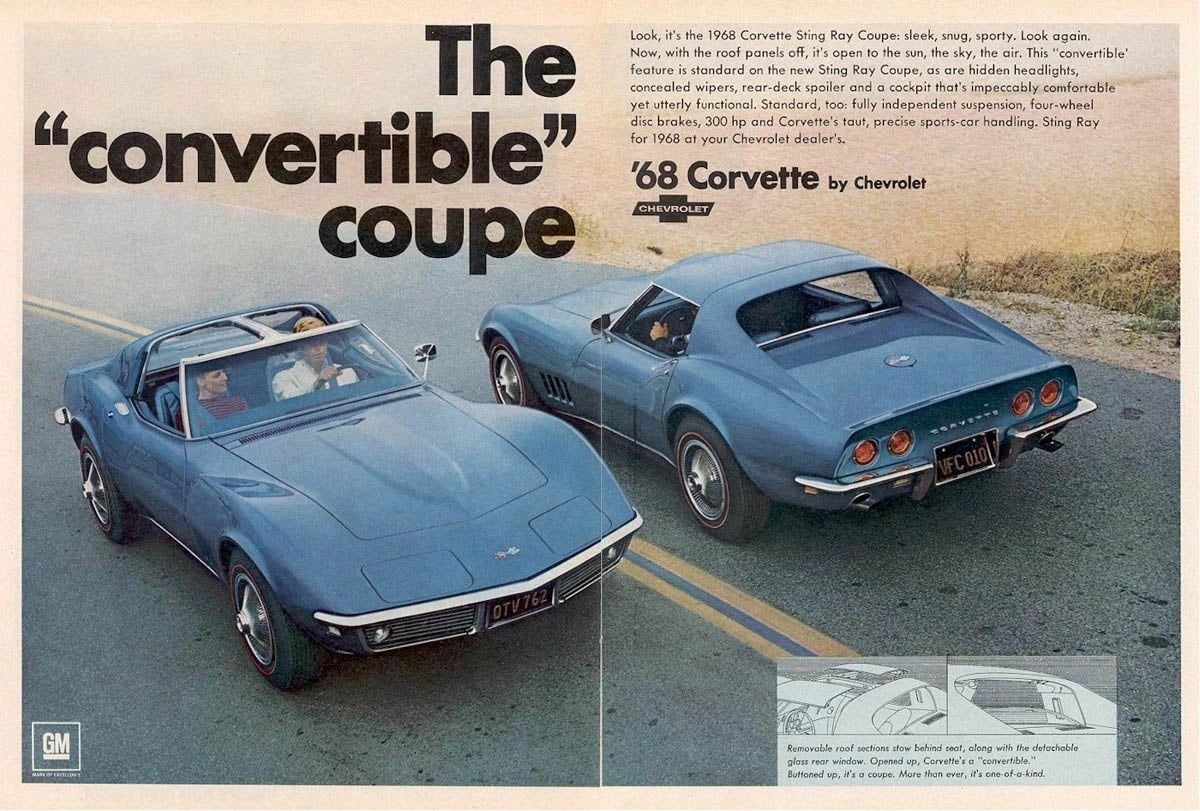
First-year builds of a new body are rarely seamless, and 1968 was no exception. Early production drew criticism for panel fit, paint quality, vacuum-system quirks with both the headlamps and the wiper door, wind and water leaks at the T-tops, and sporadic electrical annoyances. Some publications went so far as to refuse a proper road test of an early car until Chevrolet sent a better-sorted example. Owners who bought later in the model year, or who took the time to adjust the vacuum system and weatherstripping, reported a different experience entirely. Chevrolet’s iterative fixes throughout the 1968 run and into 1969 addressed most of the headline issues, and the platform’s fundamentals—structure, suspension concept, and powertrains—proved as stout as the C2’s.
In motion, the car’s numbers told one story and its feel told another. Small-block cars sprinted to 60 mph in the low-to-mid seven-second range and ran quarter miles around the mid-15s on period tires; big-block 427s could carve into the 13s with the right gearing and driver. Braking remained a Corvette strong suit, and high-speed stability on American highways drew praise even from skeptical testers. Yet those same writers dinged the ride as firm and the steering effort as high by European standards, and they found that the chassis tended to push before it rotated. Time, better tires, and owner tuning would soften many of those complaints, while the raw speed and presence never stopped selling the car.
The Coupe as Experience, the Convertible as Theater
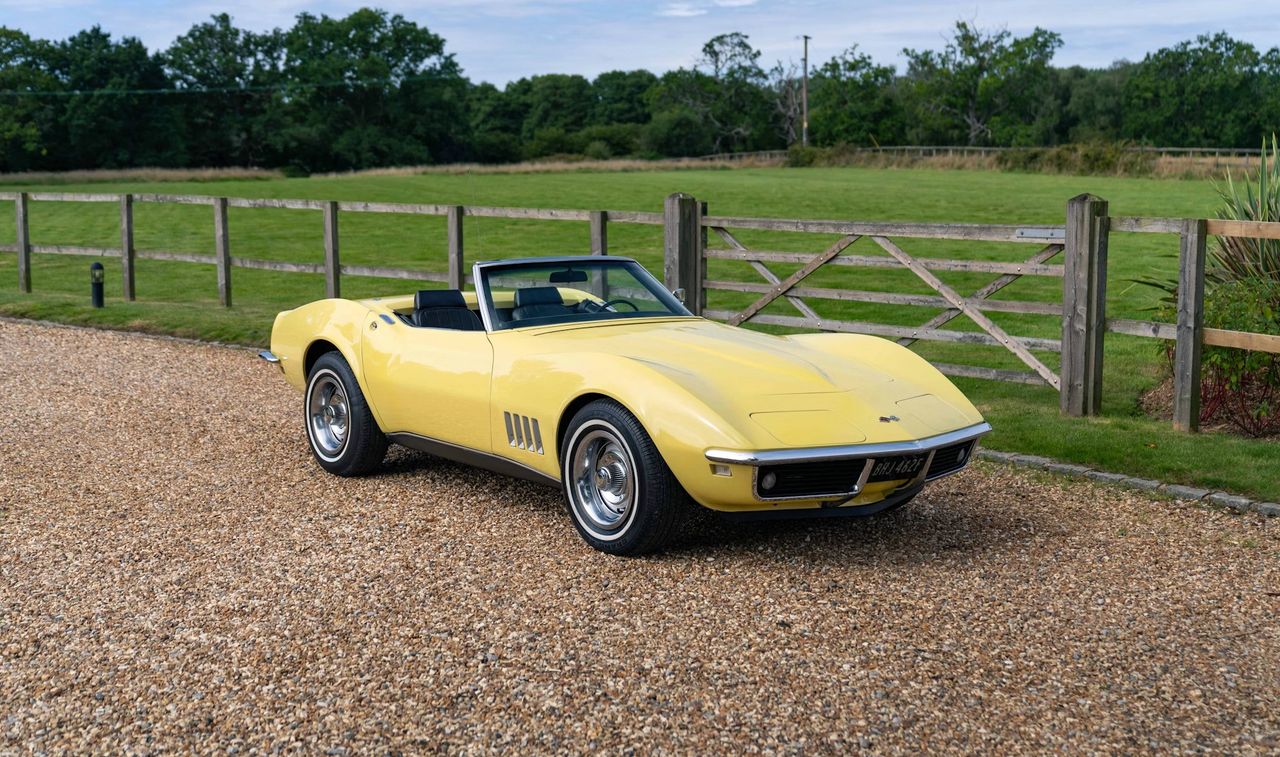
The 1968 Corvette split its personality in the most American way imaginable. The convertible was pure open-air theater: a low cowl and long hood stretching toward the horizon, the big-block’s thunder ricocheting off storefront glass, wind rolling across an unbroken beltline. Top down at dusk, it felt like a parade you could summon on command—part boulevard cruiser, part bare-knuckle hot rod, all attitude.
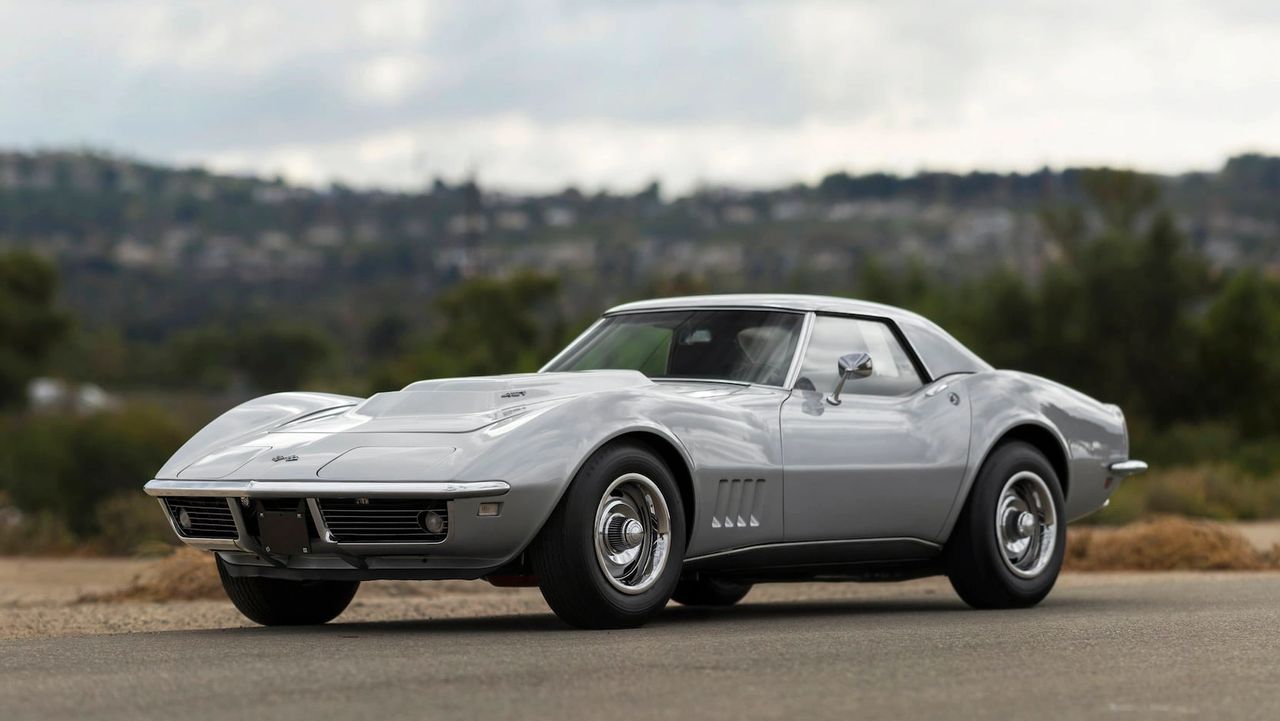
The coupe answered with versatility masquerading as magic. Twin roof panels lifted out and the rear glass unlatched, turning a snug, quiet hardtop into a sky-lit pavilion in minutes. Button it up when rain moved in and the car felt taut and secure; pop the T-tops for a slice of sun; pull the backlight, too, and the cabin breathed like a convertible without losing the structure and security of a fixed roof. That shape—fender peaks in view over the hood, the center roof bar framing the sky—became a ritual for owners: panels off, go find a road.
Small details tell the year. Most 1968s wear clean front fenders with no “Stingray” script; the one-word badge doesn’t arrive until 1969. It’s a quiet signature of the first-year shark: the silhouette everyone recognizes, unadorned by the name it would soon make famous.
Racing: L88 Lights the Fuse
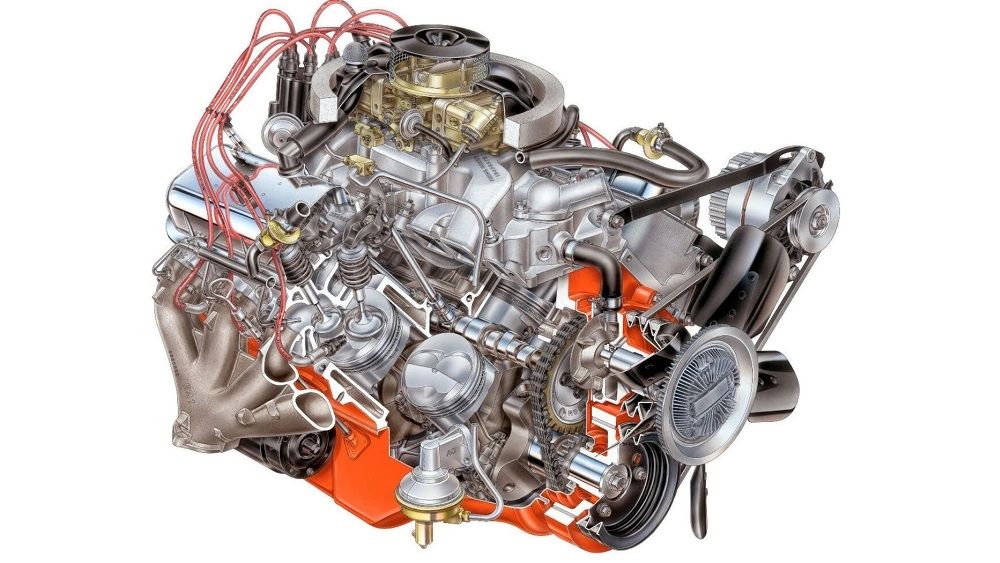
While showroom cars wrestled with early build quirks, the L88 made it plain that the new C3 wasn’t just a styling exercise—it was a weapon. The package was engineered for competition first and street use only insofar as the rules required: towering compression, wild cam timing, big-valve aluminum heads, free-breathing intake and exhaust, and emissions hardware fitted simply to satisfy the letter of the law. Factory literature low-balled output at 430 hp, but racers treated it like a 500-plus-horse engine and fueled it accordingly; a decal on the console warned against anything less than true racing gasoline. Chevrolet bundled the drivetrain with the heavy-duty pieces a track day demanded—close-ratio 4-speed, big brakes, stiffer suspension, Positraction, and serious cooling—while deleting luxuries that added weight or complexity.
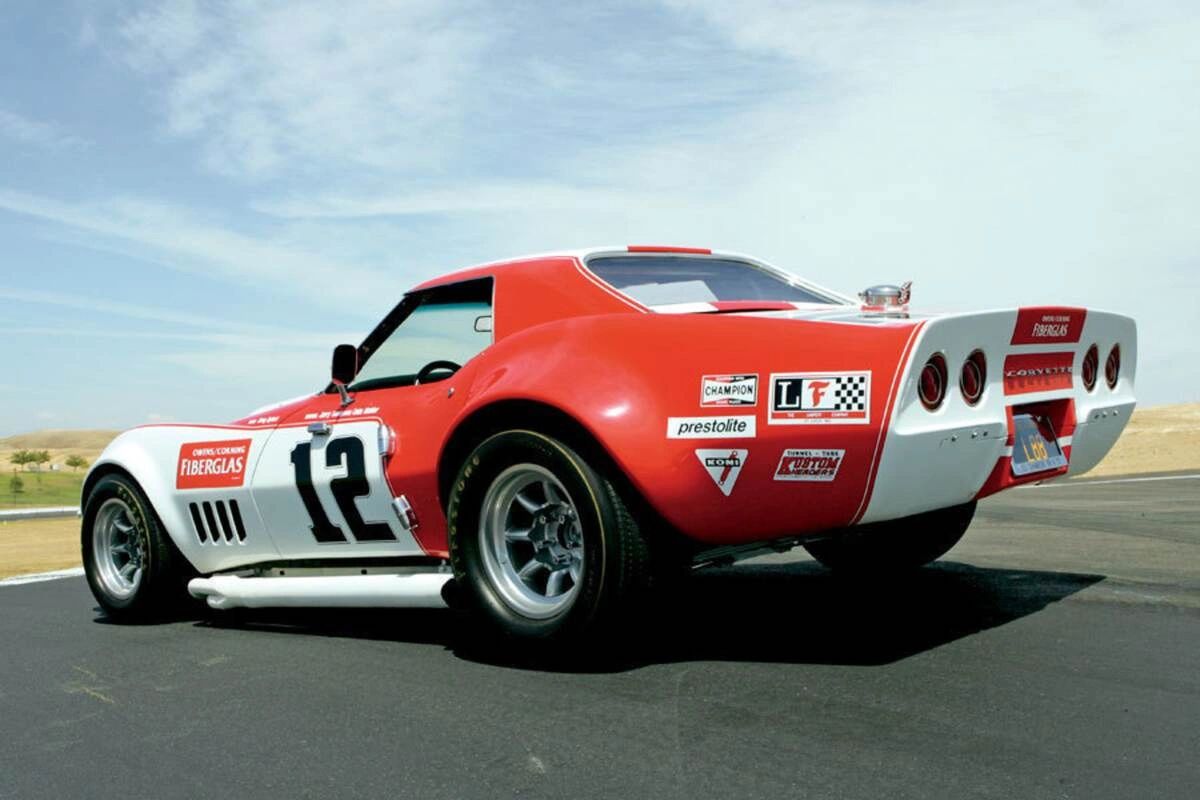
On track, that recipe immediately reset expectations for the new body. The Owens-Corning Fiberglas team of Tony DeLorenzo and Jerry Thompson took early C3 coupes and, with the usual privateer ingenuity, turned them into front-running SCCA A-Production cars. Their results proved two crucial points in ’68: the shark-era aerodynamics worked at speed, and the C2’s proven chassis—now wearing wider rubber and revised geometry—could carry far more power without coming unglued. Privateers followed the same blueprint in regional SCCA and endurance events, laying the groundwork for the class wins and headlines that would arrive in the next seasons.
That’s why the racing story of 1968 reads like a prologue. The L88 gave the C3 a clear competitive identity, the new body showed it could live at the limit, and the parts bin—now oriented toward heavy-duty use—made the Corvette a credible turnkey platform for serious teams. The trophies would stack up soon enough, but it was the 1968 model year that mattered for establishing faith in the platform.
Options, Paint, and What Buyers Chose
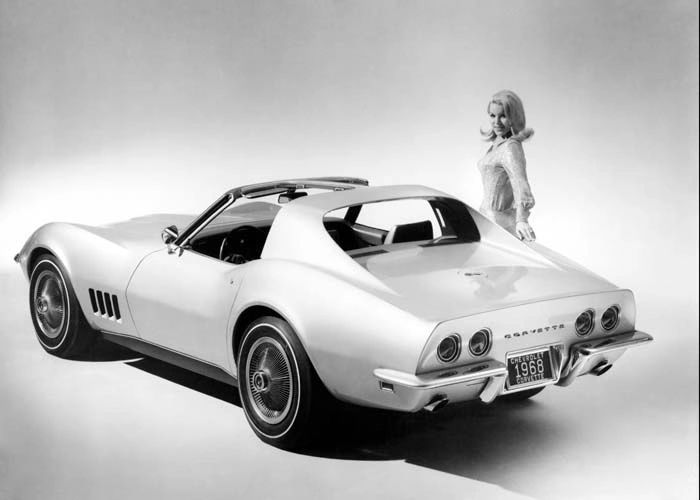
Chevrolet priced the 1968 Corvette to move—$4,320 for the convertible and $4,663 for the coupe—then invited customers to tailor the car through a famously dense option sheet. Air conditioning could be ordered on everything but the most ferocious tunes. Power steering and power brakes eased the daily grind. Two flavors of close-ratio four-speed sat alongside the Turbo Hydra-Matic automatic. Suspension, wheel cover, and tire choices fine-tuned the look and feel. At the high end, engine options became identity; ordering L88 or L71 wasn’t just about speed but about declaring what kind of Corvette owner you were.
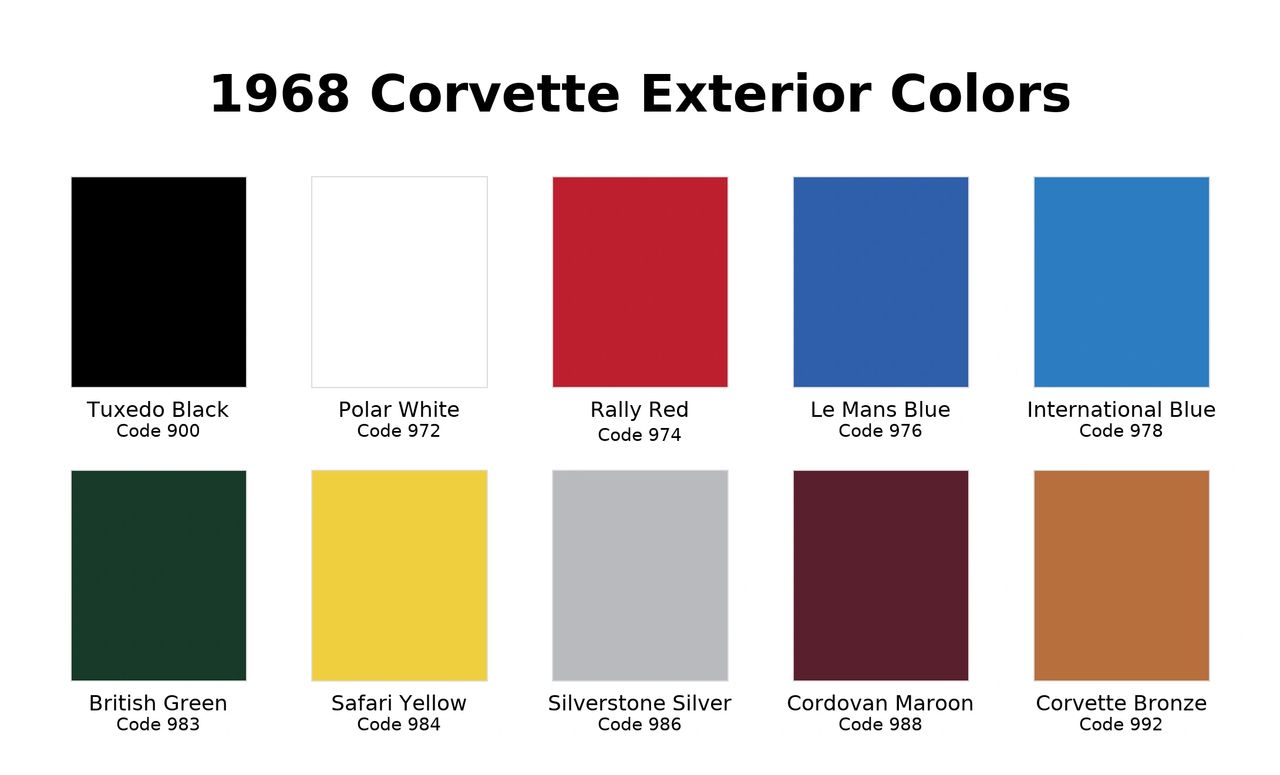
Color was another arena where 1968 made a statement. Chevrolet offered ten exterior paints—Tuxedo Black, Polar White, Rally Red, Le Mans Blue, International Blue, British Green, Safari Yellow, Silverstone Silver, Cordovan Maroon, and Corvette Bronze—spanning timeless hues to bolder, fashion-forward tones. On the first-year shark body, paint wasn’t just a finish; it was a design tool that could either underline the car’s long, low menace or soften it into sculpture.
Different shades changed the way the surfaces read in light. British Green drew a continuous ribbon along the bodyside sweep and visually lowered the car; Le Mans Blue made the fender peaks look sharper and set off the brightwork; Corvette Bronze caught late-day sun like a show car, turning the coke-bottle plan view into liquid metal. Safari Yellow and Polar White emphasized the clean, unadorned fenders of 1968 (before “Stingray” scripts arrived), while Rally Red and Tuxedo Black leaned into the car’s muscle—one vivid, one sinister.
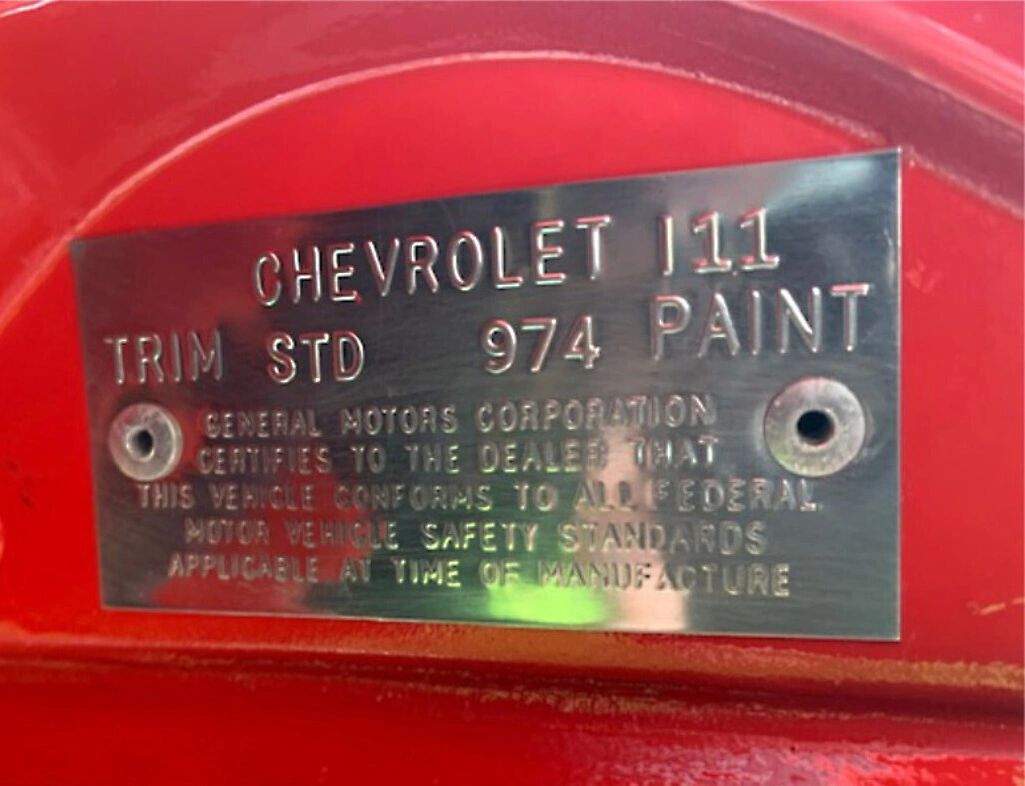
Behind the scenes, the paint story includes the details enthusiasts love: 1968 lacquers carried distinct GM codes and paired with era-correct interior trims (black, blue, saddle, and more) that could dramatically shift the car’s mood. Silverstone Silver with black looked technical and modern; Cordovan Maroon with saddle felt grand-touring; either of the blues with blue interior delivered a cohesive, period-right vibe. Today, restorers sweat these combinations because the right color on a ’68 doesn’t just look correct—it brings the shark’s lines to life.
VIN, Model Codes, and Identification
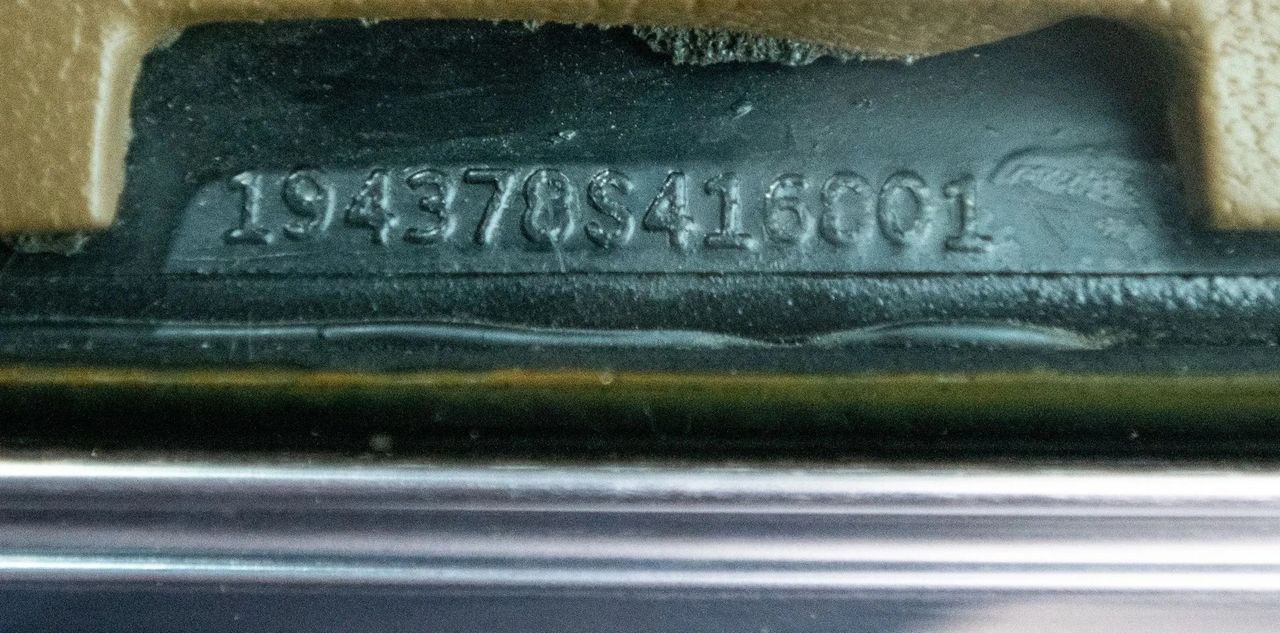
Decoding 1968 is straightforward once you know where to look. Coupes carry the model code 19437; convertibles wear 19467. Production sequence numbers run from 400001 to 428566, for a total of 28,566 cars. The VIN tag moved to the left A-pillar/hinge-pillar area and is visible through the windshield, aligning with the new federal emphasis on standardized identification. St. Louis remained the assembly home, and the car’s one-year details—battery placement behind the seats, seven-inch wheels, the wiper door execution, and the absent “Stingray” script—make 1968 a favorite among historians and judges.
Production, Performance, and Perspective
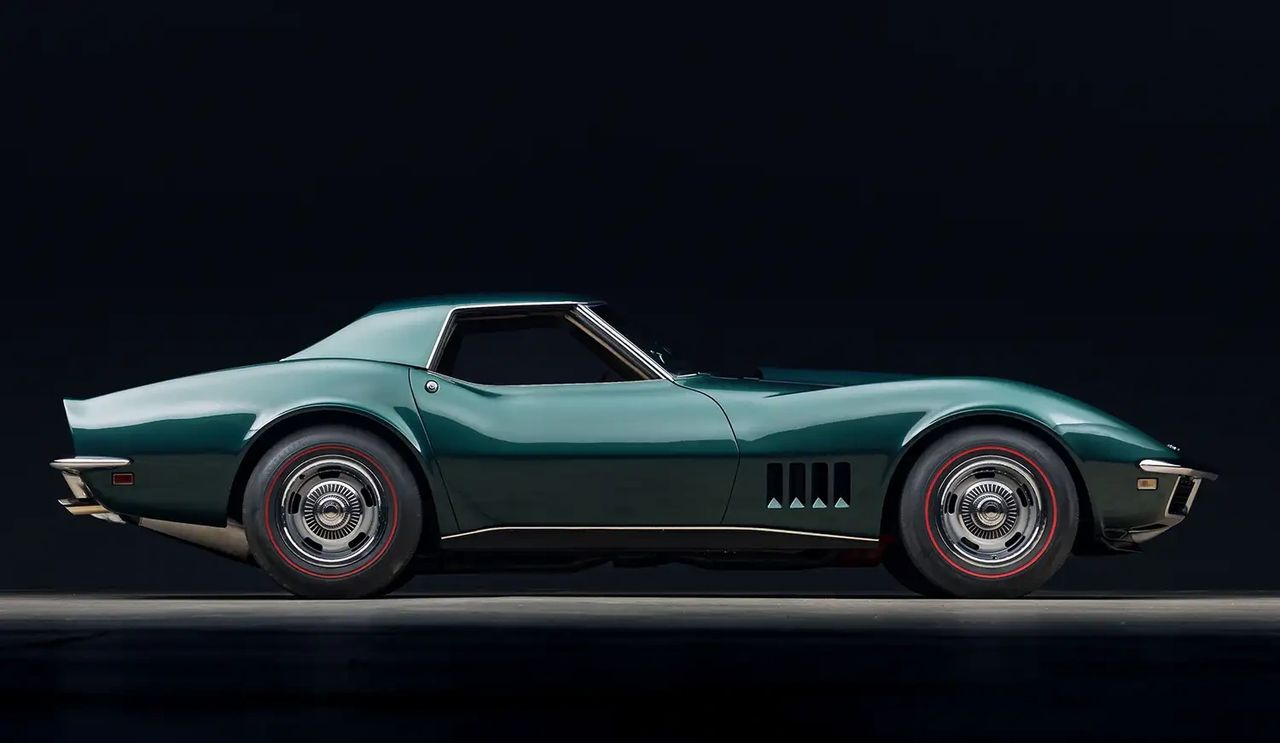
Production for 1968 set a new Corvette record at 28,566 units, a remarkable outcome given the critical heat over early build quality. Pricing helped, but so did the emotional gravity of the new body. Whatever the car’s teething pains, stepping into a showroom and seeing that shark shape in person made the decision simple for many buyers. Period test numbers reinforce the logic: a 327/350 four-speed car delivered brisk acceleration, tight responses, and reasonable civility; the 427/435 turned highways into personal proving grounds and quarter-mile times into stories told for years. Fuel economy for the big-blocks was predictably meager, but the experience was anything but.
The verdict from 1968 reads clearly in hindsight. The Corvette didn’t just survive the changing world; it pivoted. It learned to meet safety rules without losing swagger, complied with emissions while doubling down on performance choice, and embraced a design language that kept people talking long after the magazines stopped complaining about weatherstrips. That resilience—engineering discipline married to show-car audacity—is the essence of the C3, and 1968 is where it becomes real.
1968 Corvette Specifications (Quick Reference)
- Engines (V8):
- 327 cu. in., 300 hp (base)
- 327 cu. in., 350 hp (L79)
- 427 cu. in., 390 hp (L36)
- 427 cu. in., 400 hp, Tri-Power (L68)
- 427 cu. in., 435 hp, Tri-Power (L71)
- 427 cu. in., 430 hp (L88, competition-oriented)
- Transmissions:
- 3-speed manual (base, typically with 327/300)
- 4-speed manual, wide-ratio (M20)
- 4-speed manual, close-ratio (M21)
- 4-speed manual, heavy-duty close-ratio (M22; very limited)
- Turbo Hydra-Matic 3-speed automatic (M40)
- Chassis & Suspension:
- Wheelbase: 98.0 in
- Independent rear suspension with transverse leaf spring
- Four-wheel power disc brakes
- 7-inch wheels (1968), F70-15 tires
- Revised rear roll center vs. C2
- Dimensions (approx.):
- Length: 182.1 in
- Width: 69.2 in
- Height: ~47.8–47.9 in (coupe)
- Track: ~58.3 in front / 59.0 in rear
- Identification:
- Model codes: 19437 (Sport Coupe), 19467 (Convertible)
- VIN sequence: 400001–428566 (28,566 units)
- VIN location: left A-pillar/hinge-pillar area, visible through windshield
- Assembly: St. Louis
- Notable RPO Highlights (1968):
- M40 Turbo Hydra-Matic automatic
- M21/M22 close-ratio four-speeds
- F41 Special suspension
- N40 Power steering
- J50 Power brakes
- C07 Auxiliary hardtop (convertible)
- A01 Soft-Ray tinted glass
- UA6 Alarm system
- Fiber-optic lamp monitoring, Astro Ventilation
- Paint Colors (10):
- Tuxedo Black, Polar White, Rally Red, Le Mans Blue, International Blue, British Green, Safari Yellow, Silverstone Silver, Cordovan Maroon, Corvette Bronze
Why 1968 Still Matters
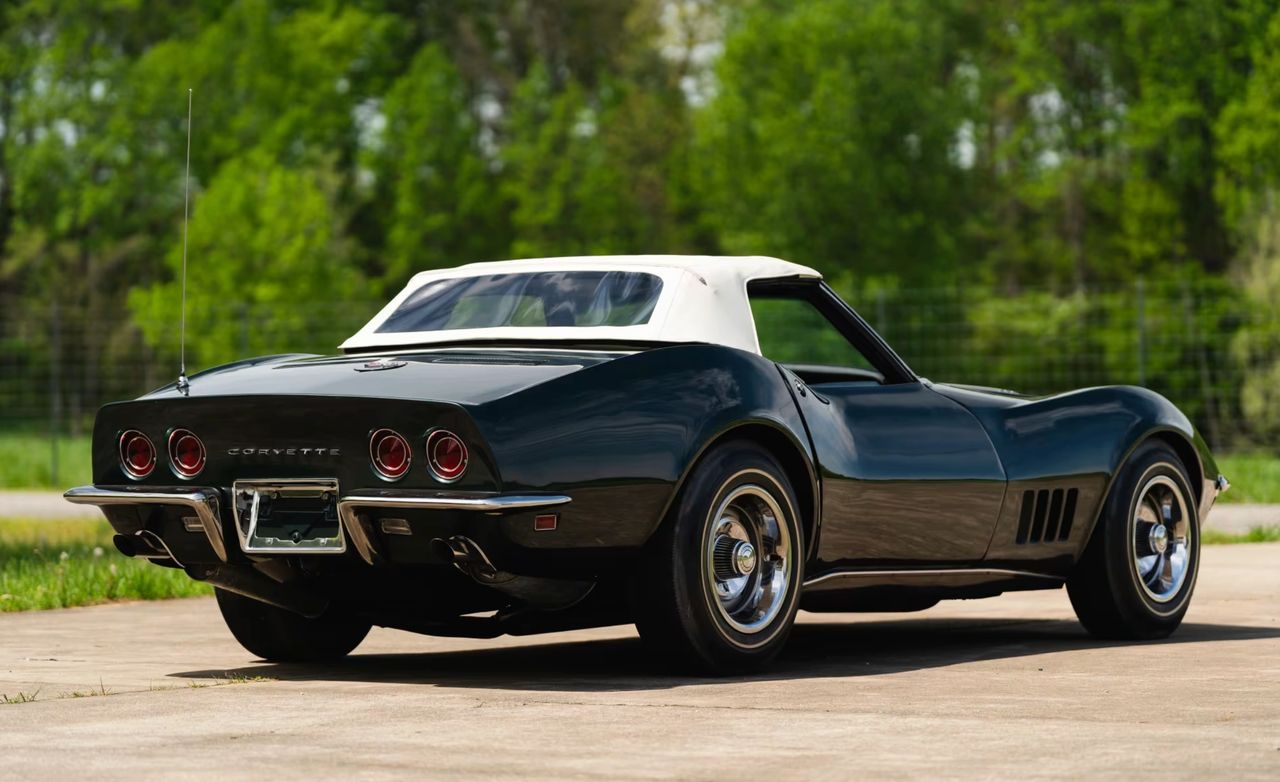
Start with design. The 1968 car codified a look that would carry Corvette for fifteen years. Even as bumpers changed, interiors evolved, and emissions rules tightened, the essence remained: long nose, dramatic fenders, tight waist, and a tail that looked ready to pounce. That identity is inseparable from Corvette’s public image, and it begins here.
Add the roof concept. The T-top coupe with removable rear glass didn’t just solve a packaging problem; it gave owners a Swiss-army-knife experience that felt uniquely American—equal parts glamour and pragmatism.
Consider the powertrain breadth. Few Corvettes offer such a wide and meaningful spread, from a friendly 327/300 cruiser to the tempest of the L88. The year 1968 opens that door; what follows in 1969–1972 builds variations on it, but the template is set.
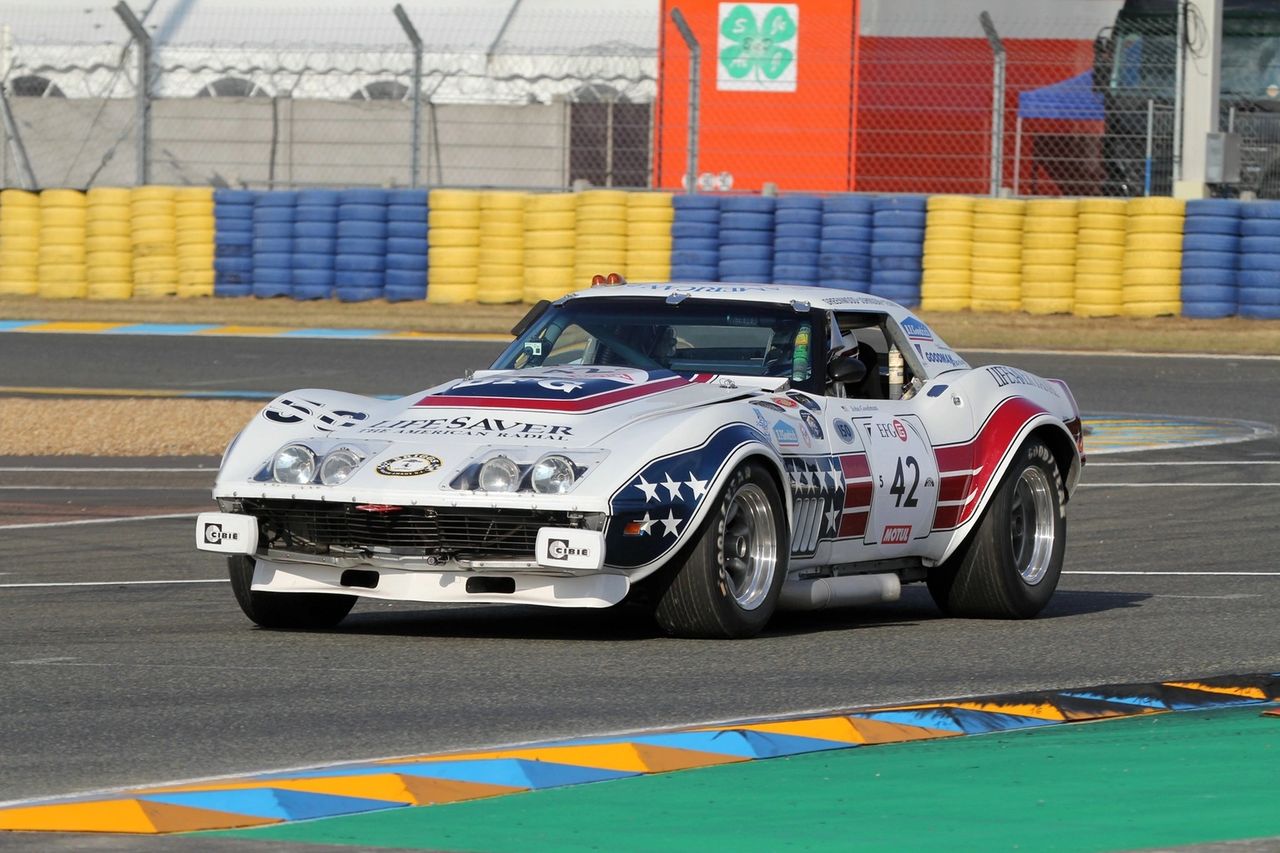
Remember the racing. The L88’s reputation, forged in privateer garages and proven on track, elevates the whole C3 story. The connection between showroom and pit lane is as strong here as it had been in the Sting Ray years, and it continues to nourish Corvette’s myth.
In the end, 1968 is more than the opening chapter of the C3—it’s a litmus test for what makes Corvette, Corvette. As a first-year car, it rewards careful eyes: the clean fenders without “Stingray” script, the removable rear glass, the hood distinctions, the running fixes that quietly improved the breed. Those differences from 1969 are subtle but meaningful, the kind of details restorers prize and historians love to unpack. And that’s why this year endures. The shark body set the look, the powertrains set the tone, and the marketplace affirmed the promise. Fifty-plus years on, 1968 still teaches—about design, regulation, and resilience—while reminding us why the Corvette has remained America’s sports car.